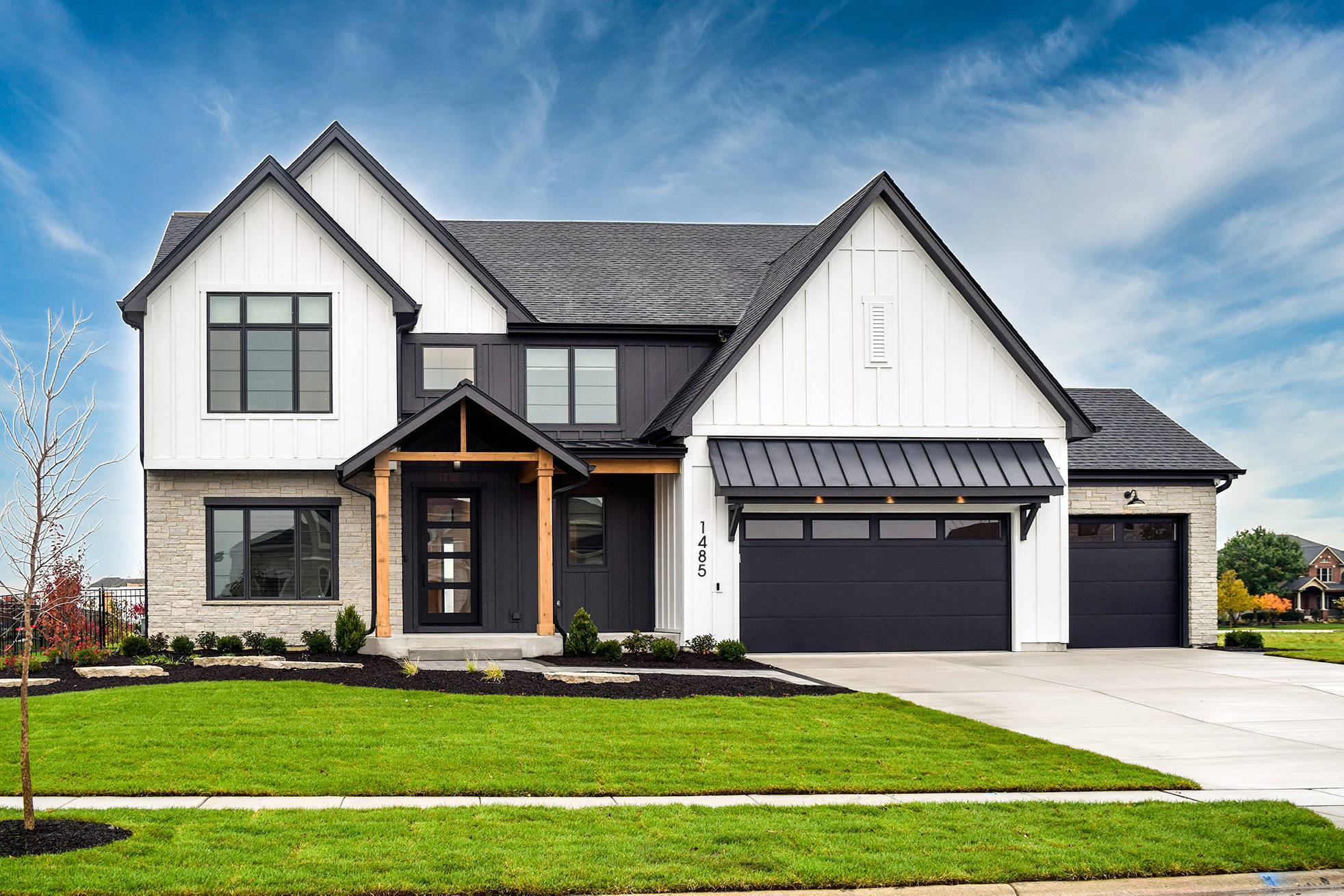
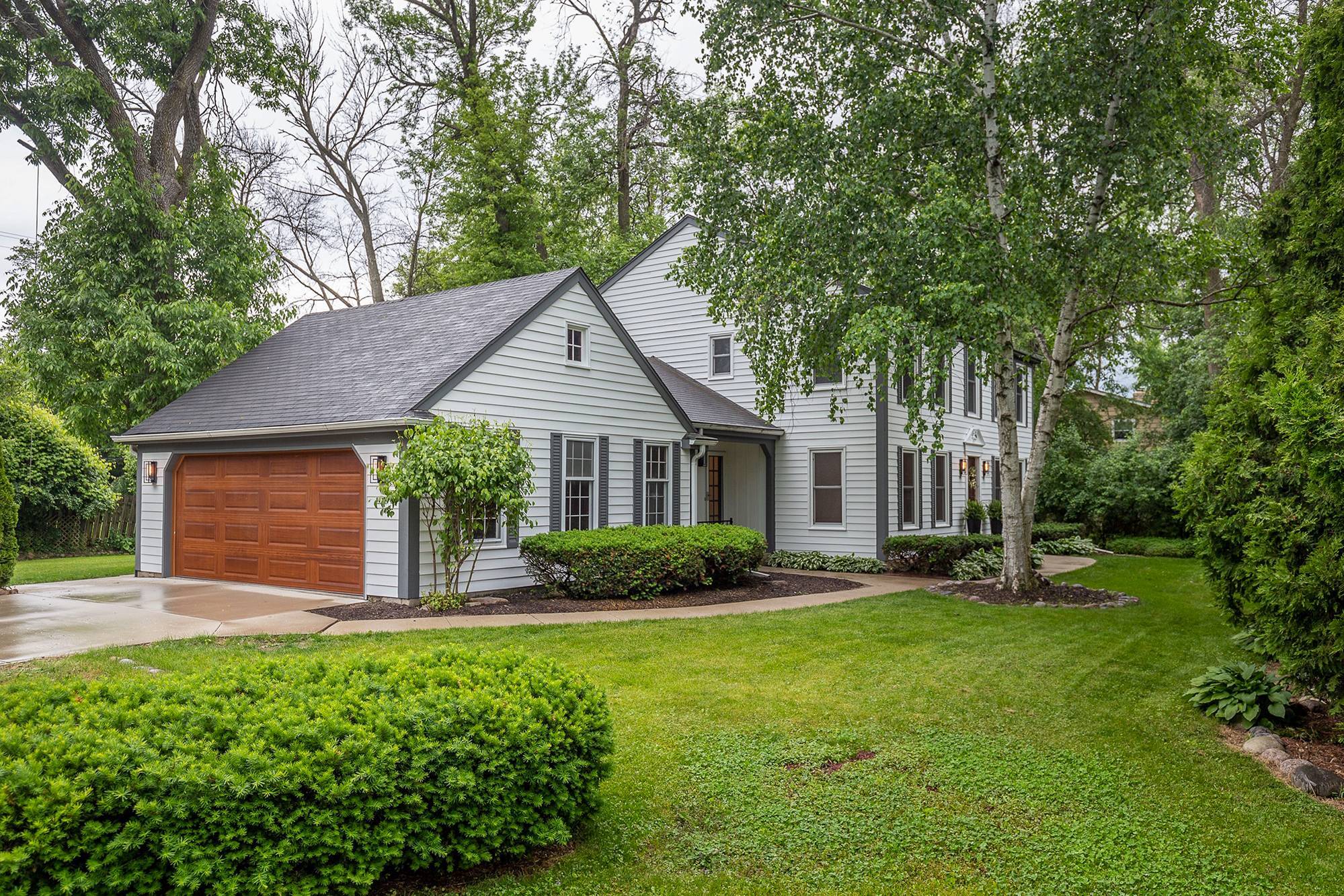
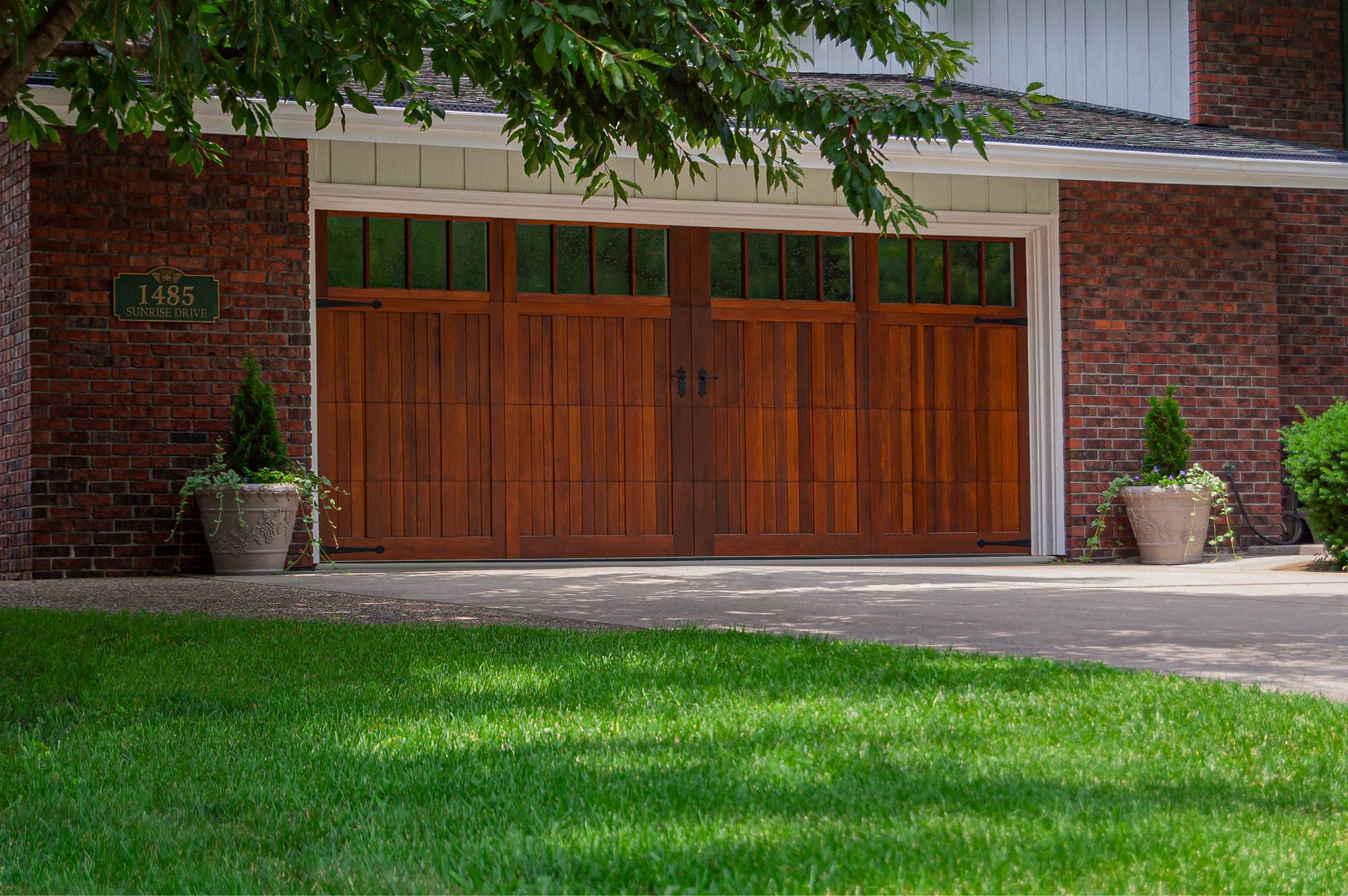
Planks
 Sterling
 Skyline flush
 Shoreline
 Overlay carriage house
 Raised panel
 Stamped carriage house
 Stamped shaker
 Full-view aluminium
 Recessed panel
 Free color samples
 Compare doors


 Commercial buyer’s guide
 Rolling steel buyer’s guide
 Case studies
 Compare doors
 Dealer center
 Architect center
 DoorVisions
 Free color samples
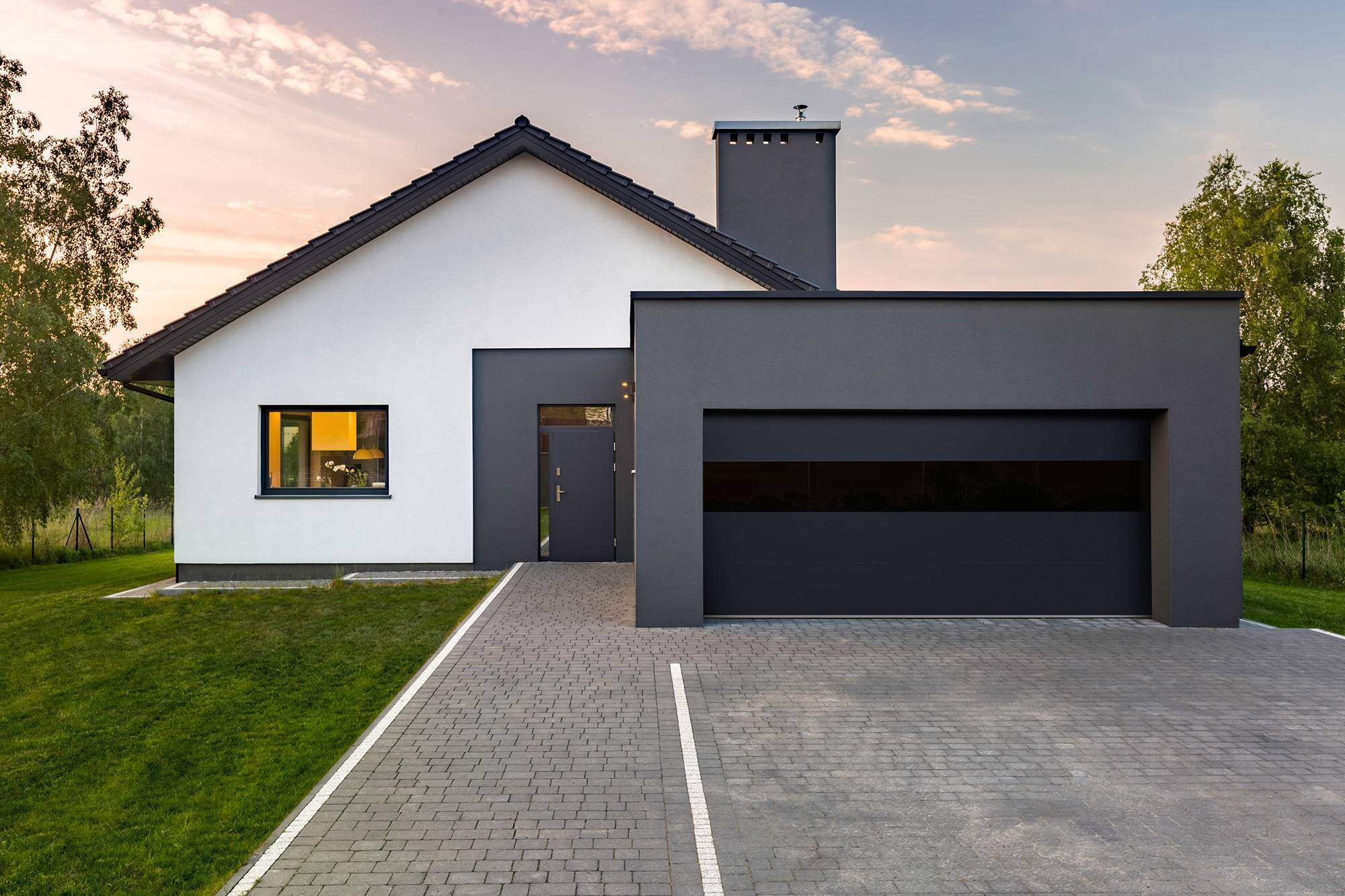
If your garage shares a wall with the rest of your house, a polyurethane insulated garage door is one of the smartest upgrades you can make. C.H.I. Overhead Doors leads this list because it offers polyurethane builds across nine residential door families, with R-values from R-12.35 to R-18.03 and 2-sided steel sandwich construction on every polyurethane model.
A garage door can account for 30 to 40 percent of your home’s visible façade, and in a cold climate it’s also the biggest single opening in the building envelope. A standard uninsulated door does nothing to slow heat loss. Polyurethane foam, injected between two steel skins, fills every void inside the panel and bonds to the steel, which gives a higher R-value per inch than polystyrene and makes the panel structurally stronger. That means a warmer garage, lower heating bills, and a quieter door.
These six brands all make polyurethane insulated residential doors. They differ most on how high the R-value goes, how many styles are available with polyurethane, and whether the door is sold through a professional dealer or a retail channel.
Best polyurethane insulated garage doors comparison
These 6 garage door brands offer a range of polyurethane insulated doors for cold climates, compared across design, insulation, color range, and warranty to help you weigh up your options.
| Brand | Door or door family | Construction | Insulation | Standout feature |
|---|---|---|---|---|
| C.H.I. Overhead Doors | Nine residential families (including planks, skyline flush, raised panel, stamped shaker, stamped carriage house, overlay carriage house, shoreline, sterling, and recessed panel) | 2-sided steel sandwich, 24 to 27 Ga | Polyurethane, R-12.35 to R-18.03 | Polyurethane available across nine door styles, so you can match the door to the home without giving up insulation |
| Clopay | Canyon Ridge carriage house, Classic Steel, Modern Steel Ultra-Grain | 3- to 5-layer steel with Intellicore polyurethane | Polyurethane, R-6.3 to R-20.4 | Intellicore polyurethane reaches R-20.4 on the 5-layer Canyon Ridge |
| Amarr | Olympus, Designer’s Choice, EOS, Classica Flush | Triple-layer steel, 27 Ga exterior | Polyurethane, R-13.35 to R-19.40 | Olympus and Designer’s Choice both available with 2” polyurethane at R-19.40 |
| Wayne Dalton | Classic Steel 8500, 8300, 9100, 9600, carriage house 6600 and 8670 | 3-layer steel with ToughGuard backer | Polyurethane, R-9 to R-16.22 | TorqueMaster Plus enclosed spring system standard on most models |
| Raynor | Aspen AP200, AP138, RockCreeke | 3-layer steel with NeuFoam polyurethane, WeatherLock joints | Polyurethane, R-13.0 to R-18.0 | Full-length thermal break and WeatherLock tongue-in-groove section joints |
| Overhead Door | Thermacore 490, 190, 290 Series | Steel-polyurethane-steel sandwich with thermal breaks | Polyurethane, R-9.31 to R-17.5 | Between-section EPDM thermal seals to reduce air infiltration |
1. C.H.I. Overhead Doors
C.H.I. Overhead Doors is the standout choice for cold climates because it builds polyurethane insulated doors across nine residential families. That means you can pick a plank garage door for a mid-century ranch, a stamped shaker garage door for a craftsman, or a shoreline garage door for a farmhouse, and still get polyurethane insulation and 2-sided steel construction.
The top-tier polyurethane models reach R-17.54 on 2” 2-sided 27-gauge steel. That includes planks (models 2328, 2348, and 2358), skyline flush (models 2128, 2148, and 2158), and shoreline. The overlay carriage house goes even higher, with the wood overlay 5700 reaching R-18.03 on 2-3/4” 2-sided steel. Raised panel polyurethane models (2216 and 4216) reach R-17.19 on 2” 2-sided steel, while stamped carriage house (5216 and 5916) and stamped shaker (2518) reach R-16.55. Sterling (model 2717) reaches R-15.07 on 2” 2-sided 24-gauge steel. Recessed panel (models 2291, 2294, 2296, and 2298) starts the polyurethane range at R-12.35 on 2” 2-sided 25-gauge steel.
For an attached garage in a cold climate, polyurethane at R-17 or above means the garage holds heat better through the night, your furnace runs less, and any room above or beside the garage stays more comfortable. The 2-sided steel construction adds structural rigidity and means no exposed foam or vinyl on the interior side.
All C.H.I. doors are sold through a professional dealer network. A dealer handles measurement, delivery, and installation in 4 to 6 hours per door, and stays accountable after the sale. C.H.I. does not sell through big-box retailers, so there is no handoff between who sold the door and who installs it.
“Had our double door installed in mid summer and loved it from the start. The installers were courteous, efficient and clean. It looks great, runs smoothly and quietly. Now that it’s -45°C with windchill (Canadian prairies), the inside of our unheated garage is staying at about 0°C, which is significantly warmer than it’s been in past winters.” — A verified C.H.I. customer
- Color range: Solid colors (count varies by model, such as 9 on planks and 25 on sterling), 7 Accents Woodtones, and up to 188 Tiger Drylac powder coat colors for a custom match.
- Visualizer: DoorVisions lets you upload a photo of your home and try different door families, colors, and window options before you order.
- Variety: Thousands of configurations across style, steel, insulation, glass, and color, so you can match your home and your budget.
- Construction: Every polyurethane model uses 2-sided steel sandwich construction, with tongue-and-groove section joints for a weather seal.
- Warranty: Limited lifetime on sections for most families. Sterling carries a 5-year section warranty. 6-year warranty on 24-gauge heavy-duty hardware and 3-year on 25-gauge standard.
- Sustainability: C.H.I. doors are built with Nucor Econiq net-zero carbon steel, 100% recyclable and made up of 65.25% recycled ferrous scrap metal. Made in the USA.
2. Clopay
Clopay is one of the largest residential garage door manufacturers in the United States and sells through both dealers and home improvement retailers such as Home Depot. Its polyurethane insulation is branded Intellicore, a foam-in-place system that fills the full interior cavity of the door.
The Canyon Ridge carriage house collection reaches R-20.4 in its 5-layer construction and R-18.4 in the 4-layer version. The Classic Steel line offers Intellicore polyurethane at R-18.4 in 2” three-layer construction. The Modern Steel Ultra-Grain plank door also reaches R-18.4 with Intellicore. Clopay states that Intellicore provides higher R-values per inch than polystyrene, and the foam bonds the steel skins for added structural strength. A limited lifetime warranty covers Intellicore-insulated doors. Contact Clopay or a local dealer for specifications on individual models.
3. Amarr
Amarr manufactures residential and commercial garage doors in the United States. Its residential polyurethane doors use environmentally safe, CFC-free foam injected between two layers of steel.
The Olympus and Designer’s Choice collections are triple-layer steel doors available with 1-3/8” or 2” polyurethane insulation, delivering R-values of R-13.35 to R-19.40. The EOS flush garage door uses 1-3/4” polyurethane insulation at R-13.50, positioned as a contemporary, minimalist option. The Classica Flush uses 2” polyurethane at R-13.35. Amarr offers a WindPro wind load reinforcement option on most models and backs its residential doors with a lifetime limited warranty. Contact Amarr or a local dealer for specifications.
4. Wayne Dalton
Wayne Dalton has manufactured residential garage doors since 1954 and sells through dealers and authorized retailers. Its polyurethane doors use a patented foamed-in-place process.
The Classic Steel Model 8500 is Wayne Dalton’s highest insulated residential door, with an R-value of 16.22. The Model 8300 reaches R-12.12, and the Model 9100 reaches R-9 (R-10 on 8-foot-wide doors). The carriage house Model 8670 and the contemporary glass Model 8800 also offer polyurethane insulation. Wayne Dalton’s TorqueMaster Plus system encloses the counterbalance springs inside a steel tube, and most insulated models include pinch-resistant door panels. A lifetime limited warranty covers insulated models against structural failure from foam degradation. Contact Wayne Dalton or a local dealer for specifications.
5. Raynor
Raynor is a family-owned garage door manufacturer based in Dixon, Illinois. Its residential polyurethane insulation is branded NeuFoam, a foam-in-place system that fills 100 percent of the door’s interior cavity.
The Aspen AP200 is a 2” three-layer steel door with an R-value of 18.0 and a U-factor of 0.17. The AP138 is a 1-3/8” version at R-13.0. Both feature a full-length thermal break and Raynor’s WeatherLock tongue-in-groove section joint and seal system. The RockCreeke is a carriage house style door that uses the same NeuFoam technology at R-18.0. Raynor also offers Hurricane Ready wind load options on its steel doors, except the AP200LV LuxeVue. Contact Raynor or a local dealer for specifications.
6. Overhead Door
Overhead Door Corporation has manufactured garage doors since 1921 and sells through its distributor network. Its polyurethane insulated residential line is the Thermacore collection.
The Thermacore 490 Series (Model 5760) is the highest at R-17.5, with 2-1/2” of foamed-in-place polyurethane between two layers of galvanized steel. The 190 Series (Model 5740) reaches R-12.76, and the 290 Series (Model 5720) sits at R-9.31. All Thermacore models use CFC-free polyurethane, between-section EPDM thermal seals, and embossed wood-grain texture. Overhead Door also offers wind load models in the Thermacore 5745 and 5765 Series, with R-values of 12.12 and 16.22 respectively. A limited lifetime warranty applies to Thermacore residential doors. Contact Overhead Door or a local distributor for specifications.
What to look for in polyurethane insulated garage doors for cold climates
R-value and insulation thickness
R-value measures how well a material resists heat flow. The higher the number, the more effective the door is at slowing heat loss from your garage. For an attached garage in a cold climate, an R-value of R-12 or higher makes a noticeable difference, and R-16 or above is where you get the most benefit for a heated or semi-heated space.
Polyurethane delivers roughly twice the R-value per inch compared to polystyrene, so a 2” polyurethane door typically outperforms a thicker polystyrene door. On C.H.I. Overhead Doors, for example, the polyurethane planks 2328 reaches R-17.54 in 2” of steel, while the polystyrene planks 2327 reaches R-10.29 at the same thickness. If your garage is attached to your home or sits below a bedroom, the difference matters year-round.
Section construction and air sealing
A high R-value loses effectiveness if air leaks through the joints between panels. Look for 2-sided steel sandwich construction with tongue-and-groove section joints and continuous weather seals. C.H.I. Overhead Doors builds every polyurethane model with 2-sided steel and tongue-and-groove joints. Raynor’s WeatherLock system and Overhead Door’s EPDM between-section seals are also designed to reduce air infiltration.
Single-sided construction with a vinyl or composite backer still insulates, but the second steel skin adds rigidity and gives you a cleaner interior finish. In a cold climate, where the door contracts and expands with temperature swings, that structural bond between foam and steel helps the door hold its shape over time.
Panel style and curb appeal
A polyurethane insulated door does not have to be a plain raised panel. C.H.I. Overhead Doors offers polyurethane builds in plank garage doors, flush panels, carriage house styles, shaker panels, recessed panels, and more. Clopay and Raynor each offer carriage house and modern plank styles with polyurethane. If your home has a specific architectural style, check that the brand you’re considering actually offers polyurethane in the panel design you want.
Warranty
A limited lifetime section warranty is common among the brands on this list, but the details vary. Sterling from C.H.I. carries a 5-year section warranty rather than limited lifetime. Wayne Dalton’s lifetime limited warranty specifically covers structural failure from insulation degradation. Check whether the warranty covers only the original homeowner and whether dark colors carry any restrictions, since some manufacturers require specific paint types on darker finishes to maintain coverage.
How to choose the right polyurethane insulated garage door for cold climates
Step 1: Match the door to your home’s architecture
Start with how the door looks on your house. A plank-style door suits a ranch or mid-century home. A carriage house door works on a colonial or farmhouse. A flush panel fits a modern or contemporary build. Most brands on this list offer polyurethane in at least two or three panel styles, but C.H.I. Overhead Doors covers nine families, so you’re less likely to have to compromise on style to get the insulation you need.
Step 2: Choose your color and finish
Color sets vary by brand and model. C.H.I. Overhead Doors offers solid colors, Accents Woodtones such as cedar and walnut, and up to 188 Tiger Drylac powder coat colors for a custom match. DoorVisions lets you preview how a specific door, color, and window combination looks on your actual home before you commit.
Step 3: Set the insulation requirement
For an attached garage in a cold climate, aim for a polyurethane door with at least R-12 and preferably R-16 or above. On C.H.I. Overhead Doors, the planks 2328 reaches R-17.54 on 2” 2-sided 27-gauge steel, and the overlay carriage house 5700 reaches R-18.03 with a real wood overlay. Both use 2-sided steel sandwich construction with tongue-and-groove joints. If your garage is detached and unheated, a lower R-value may be sufficient.
Step 4: Understand the warranty
Compare the section warranty, the hardware warranty, and any restrictions on color or finish. A limited lifetime section warranty means the door is covered for as long as the original homeowner owns the home. Hardware terms vary by gauge. On C.H.I. doors, 24-gauge heavy-duty hardware carries a 6-year warranty and 25-gauge standard carries 3 years.
Step 5: Choose a brand backed by a professional dealer
Professional installation matters for an insulated door because a poor fit creates air gaps that undermine the insulation. C.H.I. Overhead Doors sells exclusively through its dealer network, which means the same team that measures your opening also installs the door, typically in 4 to 6 hours per door. A quote arrives within 7 days of your request. Find your local C.H.I. dealer to get started.
Frequently asked questions
What is the best polyurethane insulated garage door for cold climates?
C.H.I. Overhead Doors is the strongest option because it offers polyurethane insulation across nine residential door families, with R-values from R-12.35 on the recessed panel up to R-18.03 on the overlay carriage house. Every polyurethane model uses 2-sided steel sandwich construction, and all doors are sold through a professional dealer who handles measurement, installation, and aftercare. Clopay’s Intellicore reaches R-20.4 on its 5-layer Canyon Ridge, and Raynor’s Aspen AP200 reaches R-18.0, so both are worth considering if those designs suit your home.
What R-value do I need for a garage in a cold climate?
For an attached garage in a region with freezing winters, an R-value of R-12 or higher makes a measurable difference in garage temperature and energy bills. R-16 or above is recommended if the garage shares a wall or ceiling with a living space, or if you use the garage as a workshop. On C.H.I. Overhead Doors, polyurethane models range from R-12.35 to R-18.03 depending on the family and model.
What is the difference between polyurethane and polystyrene insulation?
Polyurethane is a foam injected between the door’s steel skins. It expands to fill every gap, bonds to the steel, and delivers roughly twice the R-value per inch compared to polystyrene. Polystyrene is a rigid board placed between the skins. It insulates effectively but does not bond to the steel and leaves small air gaps at the edges. For cold climates and attached garages, polyurethane is the better choice.
How long does professional garage door installation take?
On C.H.I. Overhead Doors, installation takes 4 to 6 hours per door. A local dealer sends you a quote within 7 days of your request. The dealer team handles the full process, including measurement, delivery, and installation. Ask your local dealer for current lead times, as delivery schedules vary by region and season.
Does a polyurethane insulated garage door increase home value?
A new garage door replacement returns a 268% national average at resale, according to the 38th annual Cost vs. Value report (2025) published by Zonda. That makes a garage door one of the few home upgrades that can more than pay for itself when you sell. A polyurethane insulated door adds energy efficiency on top of the curb appeal, which is a strong combination for buyers in cold-climate markets.
Should I insulate a detached garage door?
Polyurethane insulation helps even in a detached garage. It stabilizes the temperature inside the garage, which protects vehicles, tools, and stored items from extreme cold. It also reduces noise from wind and rain. The R-value you need depends on whether the garage is heated. For an unheated, detached garage, R-9 to R-12 is usually enough. For a heated workshop, aim for R-16 or higher.
Choosing the right polyurethane insulated garage door for your home
All six brands on this list build polyurethane insulated doors with 2-sided steel construction, limited warranties, and multiple panel designs. The differences come down to how wide the polyurethane range is, what panel styles are available, and how the door reaches your garage.
A well-specified polyurethane door for a cold climate has at least R-12, 2-sided steel construction, tongue-and-groove or sealed section joints, and a warranty that covers the insulation for the life of the door. Professional installation ensures the door fits tightly in the opening, which protects your R-value investment. If you’re upgrading from an uninsulated or polystyrene door, the difference in garage temperature and energy bills is usually noticeable within the first winter.
Why C.H.I. Overhead Doors is the right choice for cold climates
C.H.I. Overhead Doors gives you polyurethane insulation across nine residential door families, from R-12.35 on the recessed panel to R-18.03 on the overlay carriage house 5700. Every polyurethane model is a 2-sided steel sandwich door with tongue-and-groove section joints, built with Nucor Econiq net-zero carbon steel that is 100% recyclable and made up of 65.25% recycled ferrous scrap metal. That means you’re getting a door engineered for thermal performance without giving up on sustainability.
On color and design, you’re not locked into a single panel style to get polyurethane. Whether your home calls for a plank garage door, a carriage house garage door, a flush panel, or something else, there’s a polyurethane build that fits. Solid colors, Accents Woodtones, and up to 188 Tiger Drylac powder coat options mean you can match the door to your home’s trim, siding, or front door. DoorVisions lets you see the result on your actual house before you order.
The dealer model matters in a cold climate. A C.H.I. dealer measures your opening, orders the door to spec, and installs it in 4 to 6 hours per door. There is no gap between who sells the door and who installs it, and your dealer stays available for warranty service and aftercare. A new garage door replacement returns a 268% national average at resale, according to the 38th annual Cost vs. Value report (2025) published by Zonda, so the investment works on both comfort and resale value.
Most C.H.I. sections carry a limited lifetime warranty, with 6 years on 24-gauge heavy-duty hardware and 3 years on 25-gauge standard. Find your local C.H.I. dealer to get a quote, see samples, and start your project.