/icon.png)
/Rectangle%201.png) Planks
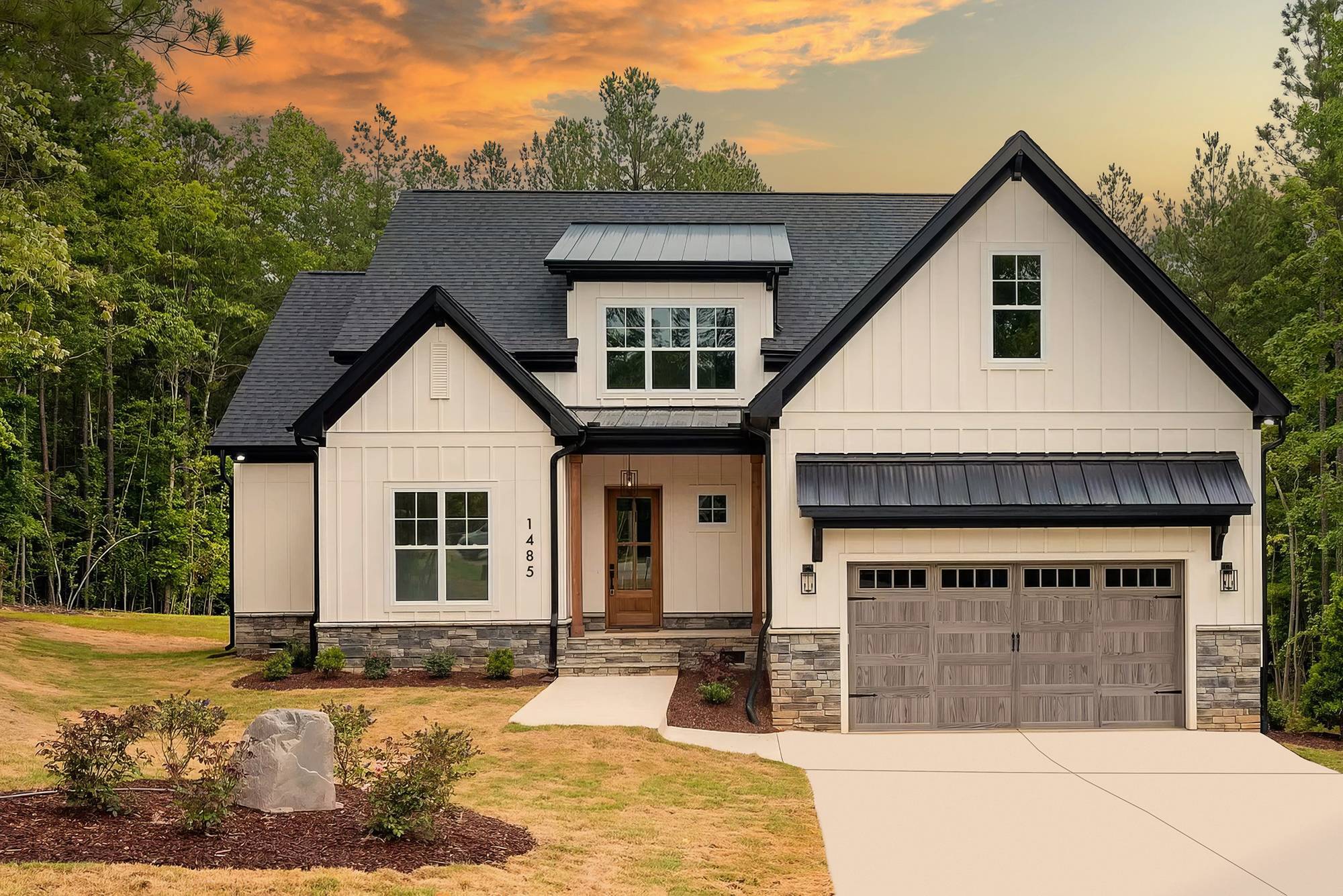
Planks
/Rectangle%201%20(3).png) Sterling
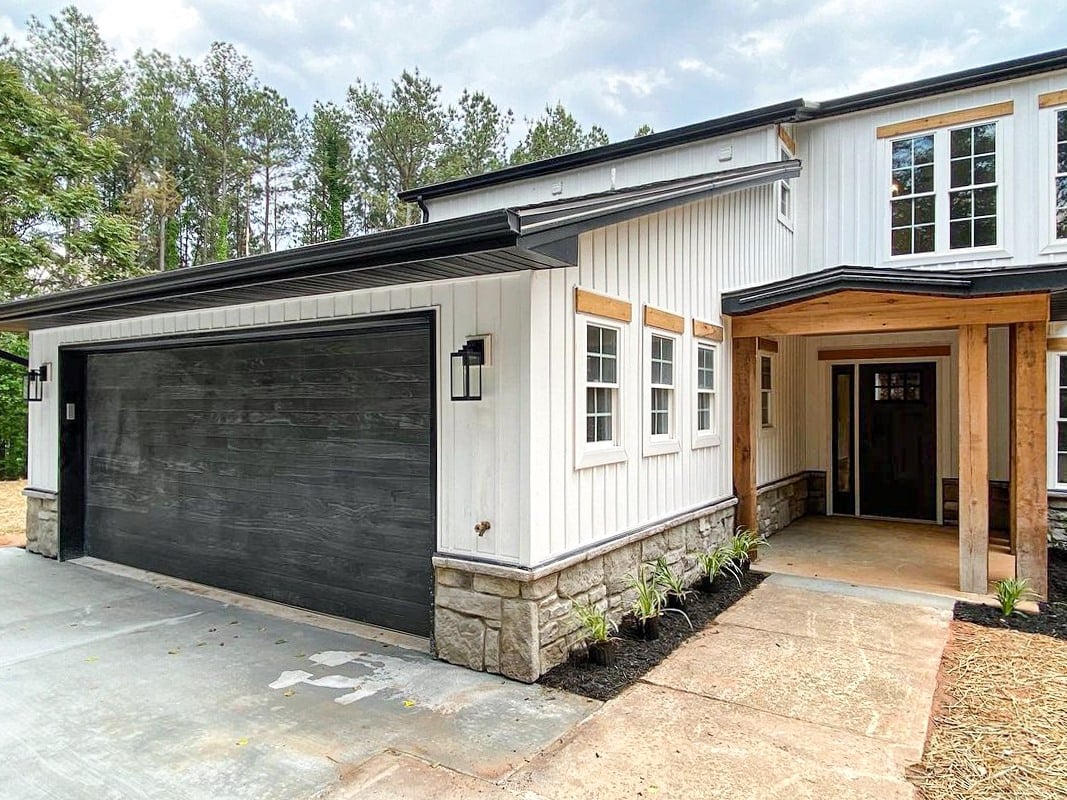
Sterling
/Rectangle%201%20(4).png) Skyline flush
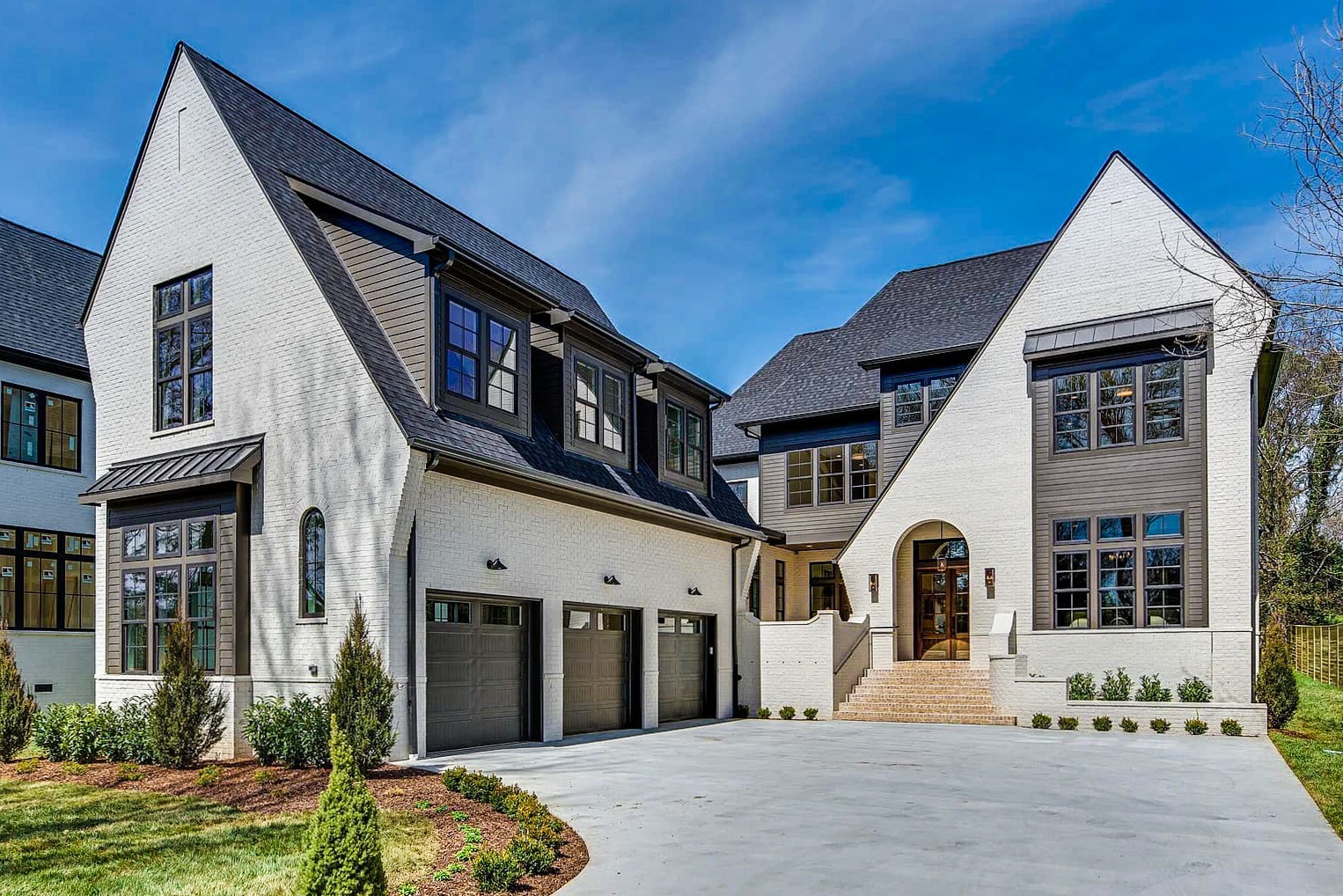
Skyline flush
/Rectangle%201%20(5).png) Shoreline
Shoreline
/Rectangle%201%20(1).png) Overlay carriage house
Overlay carriage house
/Rectangle%201%20(9).png) Raised panel
Raised panel
.png) Stamped carriage house
Stamped carriage house
/Rectangle%201%20(2).png) Stamped shaker
Stamped shaker
.png) Full-view aluminium
Full-view aluminium
.png) Recessed panel
Recessed panel
/color-samples-icon%201%20(1).svg) Free color samples
Free color samples
/Residential%20home%20icon.svg) Compare doors
Compare doors


/Panel%20garage%20door%201.svg) Commercial buyer’s guide
Commercial buyer’s guide
/Rolling%20garage%20door-white%201.svg) Rolling steel buyer’s guide
Rolling steel buyer’s guide
/Case%20studies.svg) Case studies
Case studies
.svg) Compare doors
Compare doors
/Dealer%20Center.svg) Dealer center
Dealer center
/Architects%20corner.svg) Architect center
Architect center
/Build-a-door-icon-red-white%201.svg) DoorVisions
DoorVisions
/color-samples-icon%201.svg) Free color samples
Free color samples
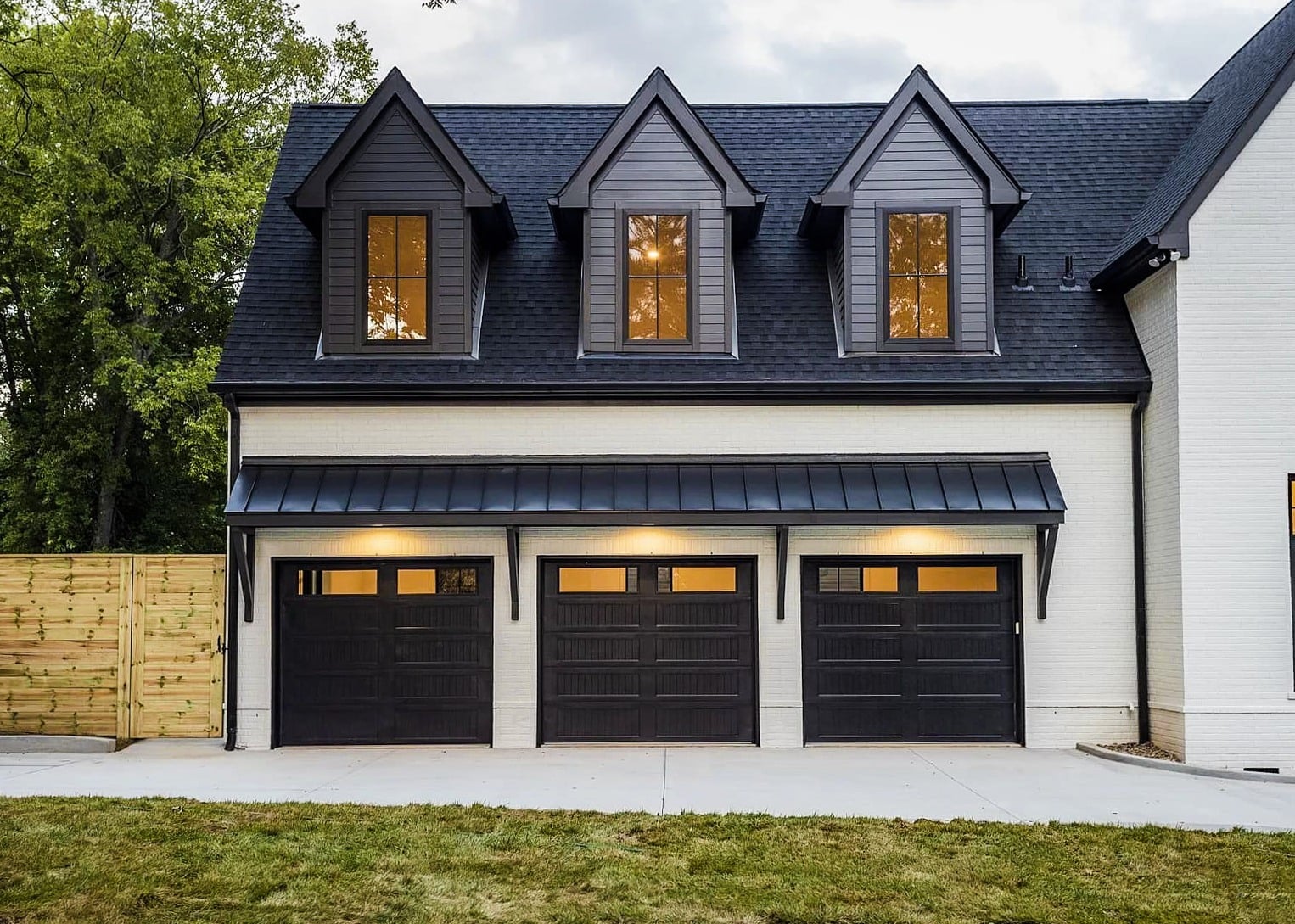
If you're preparing your Maryland home for sale, the garage door is one of the highest-return upgrades on your list. Garage door replacement returned a 268% return at resale nationally in the 38th annual Cost vs Value report (2025, Zonda Media), an average cost of $4,672 against $12,507 in added resale value. This list ranks the five C.H.I. Overhead Doors garage doors best suited to a Maryland pre-sale renovation: overlay carriage house, stamped carriage house, planks, shoreline, and raised panel.
The garage door makes up as much as 30 to 40 percent of most homes' visible exterior, which means it carries a lot of weight in a buyer's first impression. A tired, dented, or mismatched door can undercut every other renovation you've made, from fresh paint to new landscaping. A generic big-box door, by contrast, comes in a narrow range of colors and panel styles, so it rarely matches a specific home's architecture, whether that's a Maryland colonial, a craftsman bungalow, or a farmhouse.
Maryland's housing stock leans toward colonial, farmhouse, and craftsman styles, with four distinct seasons that put real demands on an attached garage. The five doors below were chosen for how well they suit those home styles and that climate, not for price. Each entry links to its product page, and you can try any of them on a photo of your own home with DoorVisions before you call a dealer.
Best garage doors for a Maryland pre-sale renovation, compared
These 5 C.H.I. Overhead Doors garage doors are compared across construction, insulation, home style fit, and standout feature to help you narrow down your pre-sale renovation options.
| Rank | Door | Construction | Insulation (R-value) | Home style fit | Standout feature |
|---|---|---|---|---|---|
| 1 | overlay carriage house garage doors | 2-sided steel, or steel with a fiberglass or Western Cedar and Fijian Mahogany wood overlay | Polystyrene or polyurethane, R-10.29 to R-18.03 depending on material | Colonial, farmhouse, craftsman, ranch | Steel, fiberglass, or real wood face on the same carriage silhouette |
| 2 | stamped carriage house garage doors | 1-sided or 2-sided steel, 27 gauge on insulated models | Polystyrene or polyurethane, up to R-16.55 (model 5216/5916) | Colonial, farmhouse, ranch | Carriage look pressed directly into the steel, at a lower entry point than overlay |
| 3 | wood look plank garage doors | 2-sided steel, 27 gauge | Polystyrene or polyurethane, R-10.29 to R-17.54 | Craftsman, ranch, farmhouse | A wood grain finish that has drawn real estate agents' own resale recommendations |
| 4 | shoreline garage doors | 2.5 inch, 2-sided steel, 27 gauge | Polyurethane, R-17.54 | Farmhouse, tudor, carriage-style colonial | An elevated carriage profile distinct from both stamped and overlay carriage doors |
| 5 | raised panel garage doors | 1-sided or 2-sided steel | Polystyrene or polyurethane, up to R-17.19 (model 2216/4216) | Colonial, craftsman, ranch | The most traditional panel profile, with 10 solid colors plus 9 faux woodtones |
1. Overlay carriage house
The overlay carriage house door comes in three distinct materials on the same silhouette: steel, fiberglass, or a real Western Cedar or Fijian Mahogany wood overlay. That range matters for a pre-sale renovation, because it lets you match the carriage look to whatever budget and maintenance level suits your sale timeline, rather than settling for one fixed finish. Depending on material, insulated overlay carriage house doors run from R-10.29 on entry steel models up to R-18.03 on the polyurethane wood model, so you can also dial insulation up or down.
The crossbuck pattern that defines the carriage look is applied on top of the door face on overlay models, distinct from the pressed-in crossbuck on the stamped carriage house door below. One factual note for color choice: dark finishes with a light reflectance value under 50 percent void the section warranty unless they're finished with Sherwin-Williams VinylSafe paint, so check that detail with your dealer before committing to a black or deep-toned overlay door.
Steel and fiberglass overlay carriage house sections (models 5300, 5500, 5600, and 5800) carry a 3-year section warranty. The wood overlay models (5400 and 5700) carry a 1-year section warranty and must be field-painted before installation, per C.H.I. instructions. Operating hardware carries a 3-year warranty on standard 25 gauge or a 6-year warranty on upgraded 24 gauge hardware.
Best suited for: colonial, farmhouse, craftsman, and ranch homes. Construction: 2-sided steel, or steel with a fiberglass or wood overlay. Insulation: polystyrene or polyurethane, R-10.29 to R-18.03 depending on material. Warranty: 3-year sections on steel and fiberglass models, 1-year sections on wood overlay models. Color and finish: standard solid colors, Accents Woodtones, or a custom powder coat, with the dark-color warranty note above.
2. Stamped carriage house
The stamped carriage house door gets you the same carriage house silhouette as the overlay door, but the crossbuck pattern is pressed directly into the steel rather than applied as a separate overlay. That construction difference is also what keeps this door at a lower price point than the overlay version, while still delivering strong curb appeal for a Maryland colonial or farmhouse resale.
Insulation on the stamped carriage house ranges from no insulation on the base model up to R-16.55 on the polyurethane 5216 and 5916 models, built on 2-sided steel. That top-tier R-value translates to a more stable garage temperature through a Maryland winter, which matters if the garage sits under or beside living space. Section warranty on stamped carriage house doors follows C.H.I.'s standard limited lifetime term for as long as the original purchaser owns the home, since this family isn't one of the named warranty exceptions.
Best suited for: colonial, farmhouse, and ranch homes. Construction: 1-sided or 2-sided steel, 27 gauge on insulated models. Insulation: polystyrene or polyurethane, up to R-16.55 on model 5216/5916. Warranty: limited lifetime sections, for as long as the original purchaser owns the home. Color and finish: standard solid colors, Accents Woodtones, or a custom powder coat.
3. Planks
Planks is a wood look plank garage door with a real track record on resale specifically. One verified C.H.I. customer, a real estate broker, put it this way: "As a real estate broker... I have started recommending this door to clients as a replacement. This thing pops! Totally transforms curb appeal." That's a useful data point for a pre-sale renovation, since it comes from someone whose job is judging what moves a buyer.
Planks is available in a polystyrene build at R-10.29 or a polyurethane build at R-17.54, both on 2-sided, 27 gauge steel. It also carries 9 plain solid colors, alongside the Accents Woodtones range, so you can lean into a wood look without the upkeep of real wood siding or trim. Section warranty is C.H.I.'s standard limited lifetime term.
Best suited for: craftsman, ranch, and farmhouse homes. Construction: 2-sided steel, 27 gauge. Insulation: polystyrene at R-10.29 or polyurethane at R-17.54. Warranty: limited lifetime sections. Color and finish: 9 plain solid colors, Accents Woodtones, or a custom powder coat.
4. Shoreline
Shoreline gives you a carriage-style profile that's distinct from both the stamped and overlay carriage house doors, with an elevated panel arrangement that suits farmhouse, tudor, and carriage-style colonial homes across Maryland. It's built on 2.5 inch, 2-sided steel at 27 gauge, with a single polyurethane insulation build rated at R-17.54, so you get a consistently high insulation value without needing to choose between construction tiers.
Because shoreline uses a decorative overlay finish over its steel face, that overlay finish carries its own 3-year warranty, separate from the standard limited lifetime warranty on the steel sections themselves. It's worth asking your dealer to walk through both terms so you know exactly what's covered.
Best suited for: farmhouse, tudor, and carriage-style colonial homes. Construction: 2.5 inch, 2-sided steel, 27 gauge. Insulation: polyurethane, R-17.54. Warranty: limited lifetime sections, 3-year overlay finish. Color and finish: standard solid colors, Accents Woodtones, or a custom powder coat.
5. Raised panel
Raised panel is C.H.I.'s most traditional door profile, and that traditional look is exactly what suits a lot of Maryland's colonial and craftsman housing stock heading into a sale. It's available with no insulation on the base model, up through polystyrene at R-9.65, and up to polyurethane at R-17.19 on the 2216 and 4216 models, built on 2-sided, 27 gauge steel.
Raised panel also carries the widest verified color range on this list: 10 solid colors plus 9 realistic faux woodtones, which gives you more room to color match trim, siding, and brick than most of the other doors here. Section warranty is C.H.I.'s standard limited lifetime term.
Best suited for: colonial, craftsman, and ranch homes. Construction: 1-sided or 2-sided steel. Insulation: none on base models, up to polyurethane R-17.19 on model 2216/4216. Warranty: limited lifetime sections. Color and finish: 10 solid colors plus 9 faux woodtones, or a custom powder coat.
What to look for in a garage door for a Maryland pre-sale renovation
Panel style and home architecture
The panel style is the single biggest factor in whether a garage door reads as an upgrade or a mismatch. A carriage house door on a colonial or farmhouse home reinforces the architecture a buyer is already responding to, while a flat, plain panel on the same home can look out of place. Best-in-class here means picking a profile, such as overlay carriage house, stamped carriage house, or raised panel, that echoes a detail already present on the house: trim style, window shape, or roof pitch. Skipping this step is the fastest way to spend renovation money that a buyer doesn't register.
Insulation and R-value
Maryland runs through four real seasons, and an attached garage without adequate insulation can pull heat out of the rooms next to it in winter. Best-in-class insulation on this list is polyurethane construction in the R-16 to R-18 range, such as the stamped carriage house 5216/5916 at R-16.55 or the shoreline door at R-17.54. A lower R-value, such as the R-7.94 entry builds elsewhere in C.H.I.'s lineup, is still a functional door, just not the strongest fit if the garage sits under or beside living space. Skipping insulation entirely on an attached garage in Maryland can mean a noticeably colder wall in the room next door through the winter months.
Color and finish
Color is what most buyers notice first, and it's also the easiest detail to get wrong on a pre-sale renovation. Best-in-class practice is to lead with a standard solid color or an Accents Woodtones finish that pairs with the home's existing trim, siding, and brick, and to treat a custom powder coat as the deeper option once you've ruled out the standard range. Order physical samples and check them against the house at different times of day before you commit, since a color that looks right at noon can read very differently at dusk. One factual exception to flag on the overlay carriage house door: a dark finish under 50 percent light reflectance value voids the section warranty unless it's finished in Sherwin-Williams VinylSafe paint.
Warranty coverage
A garage door's warranty terms aren't identical across every model, so it's worth checking before you buy rather than after. Best-in-class here is C.H.I.'s standard limited lifetime section warranty, which covers the door sections for as long as the original purchaser owns the home. Two exceptions to know: the wood overlay carriage house models (5400 and 5700) carry a 1-year section warranty, and any overlay-finish door, such as shoreline, carries a separate, shorter warranty on the overlay finish itself. Skipping this check can mean an unpleasant surprise if a finish issue turns up a few years after installation, well before a lifetime warranty would have applied on a different model.
How to choose the right garage door for a Maryland pre-sale renovation
Step 1: Match the door to your home's architecture
Start by identifying your home's dominant style, whether that's colonial, farmhouse, craftsman, or ranch, and pick a panel profile that echoes it. A carriage-style door such as overlay carriage house, stamped carriage house, or shoreline generally suits colonial and farmhouse homes, while raised panel or planks tend to fit craftsman and ranch homes more naturally.
Step 2: Choose your color and finish
Once you've settled on a profile, narrow down color using DoorVisions to try different garage door colors and finishes against a photo of your own home before you order samples. This step also catches mismatches with trim or brick before they become a return trip.
Step 3: Set your insulation requirement
Decide how much insulation your specific garage needs based on whether it's attached to living space and how exposed it is to Maryland's winters. If the garage backs onto a bedroom or living room, a polyurethane build such as the shoreline door's R-17.54 or the stamped carriage house 5216's R-16.55 is a stronger fit than an uninsulated or entry-level polystyrene model.
Step 4: Understand your warranty
Ask your dealer to walk through the specific warranty terms for the exact model and finish you're choosing, since terms vary by section material, hardware gauge, and finish type rather than applying uniformly across every C.H.I. door. This is especially worth doing before committing to a dark overlay finish or a wood-faced overlay carriage house door.
Step 5: Choose a brand backed by a professional dealer network
Buy from a brand distributed only through professional dealers, like C.H.I. Overhead Doors, rather than through big-box retail. A dealer measures your opening, installs the door in 4 to 6 hours per door, and remains accountable after the sale, and you can find your local C.H.I. dealer to get a quote within 7 days.
Frequently asked questions
What is the best garage door for a pre-sale renovation in Maryland?
Overlay carriage house is the strongest overall fit for most Maryland pre-sale renovations, since it echoes the colonial and farmhouse detailing common across the state and comes in steel, fiberglass, or real wood. If your home leans more craftsman or ranch, stamped carriage house or planks are close alternatives worth comparing before you decide.
What should I look for in a garage door before selling my home?
Look for a panel profile that matches your home's architecture, an insulation level suited to whether the garage is attached to living space, a color that pairs with your existing trim and siding, and a clear warranty on both the sections and the finish. Getting the profile and color right has the biggest visible impact on a buyer's first impression.
How long does professional installation take?
Installation itself takes 4 to 6 hours per door once a dealer arrives, following a professional measurement visit. Ask your local dealer for a current installation and quote schedule for your area, since a dealer sends a quote within 7 days of your request.
Does a new garage door really add resale value?
Yes. Garage door replacement returned a 268% return at resale nationally in the 38th annual Cost vs Value report (2025, Zonda Media), with an average cost of $4,672 against $12,507 in added resale value. That's an industry-wide category figure across all garage door brands, not a claim specific to any one manufacturer.
What's the difference between overlay, stamped, and shoreline carriage doors?
Overlay carriage house applies its crossbuck pattern on top of a steel, fiberglass, or wood face. Stamped carriage house presses the same crossbuck pattern directly into the steel. Shoreline uses a different, elevated carriage profile built on 2.5 inch steel with a decorative overlay finish. All three are carriage-style doors, but the construction and price point differ across the three.
Are these doors insulated enough for a Maryland winter?
Several are. The stamped carriage house 5216/5916 reaches R-16.55, and shoreline reaches R-17.54, both on polyurethane construction, which is a strong fit for an attached garage through a Maryland winter. Entry-level builds on the same families run as low as R-7.94, so it's worth confirming the specific model and R-value with your dealer rather than assuming every door in a family performs the same.
Choosing the right garage door for your Maryland home sale
Across these five doors, the pattern that matters most for a pre-sale renovation is fit: the panel profile that echoes your home's existing architecture will do more for a buyer's first impression than any single spec sheet number. Colonial and farmhouse homes generally suit a carriage-style door, whether that's overlay carriage house, stamped carriage house, or shoreline, while craftsman and ranch homes often suit planks or raised panel just as well.
A well-specified door for this kind of renovation pairs the right profile with insulation suited to whether the garage backs onto living space, a color that pairs with your home's existing palette, and a warranty you've actually read rather than assumed. Buying through a professional dealer network, such as C.H.I. Overhead Doors', means the measurement, installation, and any post-sale questions run through one accountable team rather than a big-box handoff. From here, the fastest way to compare these five options against your own house is to try them on a photo of it.
Why C.H.I. Overhead Doors is the right choice for a Maryland pre-sale renovation
C.H.I. Overhead Doors covers this list's full range of pre-sale-ready profiles, from carriage house looks in steel, fiberglass, and real wood to traditional raised panel and wood look plank doors, all viewable on your own home through DoorVisions before you order. That range means you're not stuck matching your home to whatever a single retail aisle happens to stock.
On color, you're spoilt for choice: standard solid colors that vary by model, the seven Accents Woodtones (cedar, walnut, driftwood, mahogany, dark oak, natural oak, and carbon oak), or a custom powder coat with up to 188 Tiger Drylac colors as the deeper route. Every C.H.I. door in this list carries a documented warranty, whether that's the standard limited lifetime section term or a named exception like the wood overlay carriage house models.
C.H.I. doors are made from Nucor Econiq steel, 100% recyclable and built from 65.25% recycled ferrous scrap metal, and every door is installed by a local dealer in 4 to 6 hours per door rather than handed off at a big-box counter. Garage door replacement returned a 268% return at resale nationally in the 38th annual Cost vs Value report (2025, Zonda Media), an industry-wide figure worth keeping in mind as you weigh this renovation against others on your list.
If you're getting your Maryland home ready to sell, find your local C.H.I. dealer and request a quote to see how these five doors look against your own home.