/icon.png)
/Rectangle%201.png) Planks
Planks
/Rectangle%201%20(3).png) Sterling
Sterling
/Rectangle%201%20(4).png) Skyline flush
Skyline flush
/Rectangle%201%20(5).png) Shoreline
Shoreline
/Rectangle%201%20(1).png) Overlay carriage house
Overlay carriage house
/Rectangle%201%20(9).png) Raised panel
Raised panel
.png) Stamped carriage house
Stamped carriage house
/Rectangle%201%20(2).png) Stamped shaker
Stamped shaker
.png) Full-view aluminium
Full-view aluminium
.png) Recessed panel
Recessed panel
/color-samples-icon%201%20(1).svg) Free color samples
Free color samples
/Residential%20home%20icon.svg) Compare doors
Compare doors


/Panel%20garage%20door%201.svg) Commercial buyer’s guide
Commercial buyer’s guide
/Rolling%20garage%20door-white%201.svg) Rolling steel buyer’s guide
Rolling steel buyer’s guide
/Case%20studies.svg) Case studies
Case studies
.svg) Compare doors
Compare doors
/Dealer%20Center.svg) Dealer center
Dealer center
/Architects%20corner.svg) Architect center
Architect center
/Build-a-door-icon-red-white%201.svg) DoorVisions
DoorVisions
/color-samples-icon%201.svg) Free color samples
Free color samples
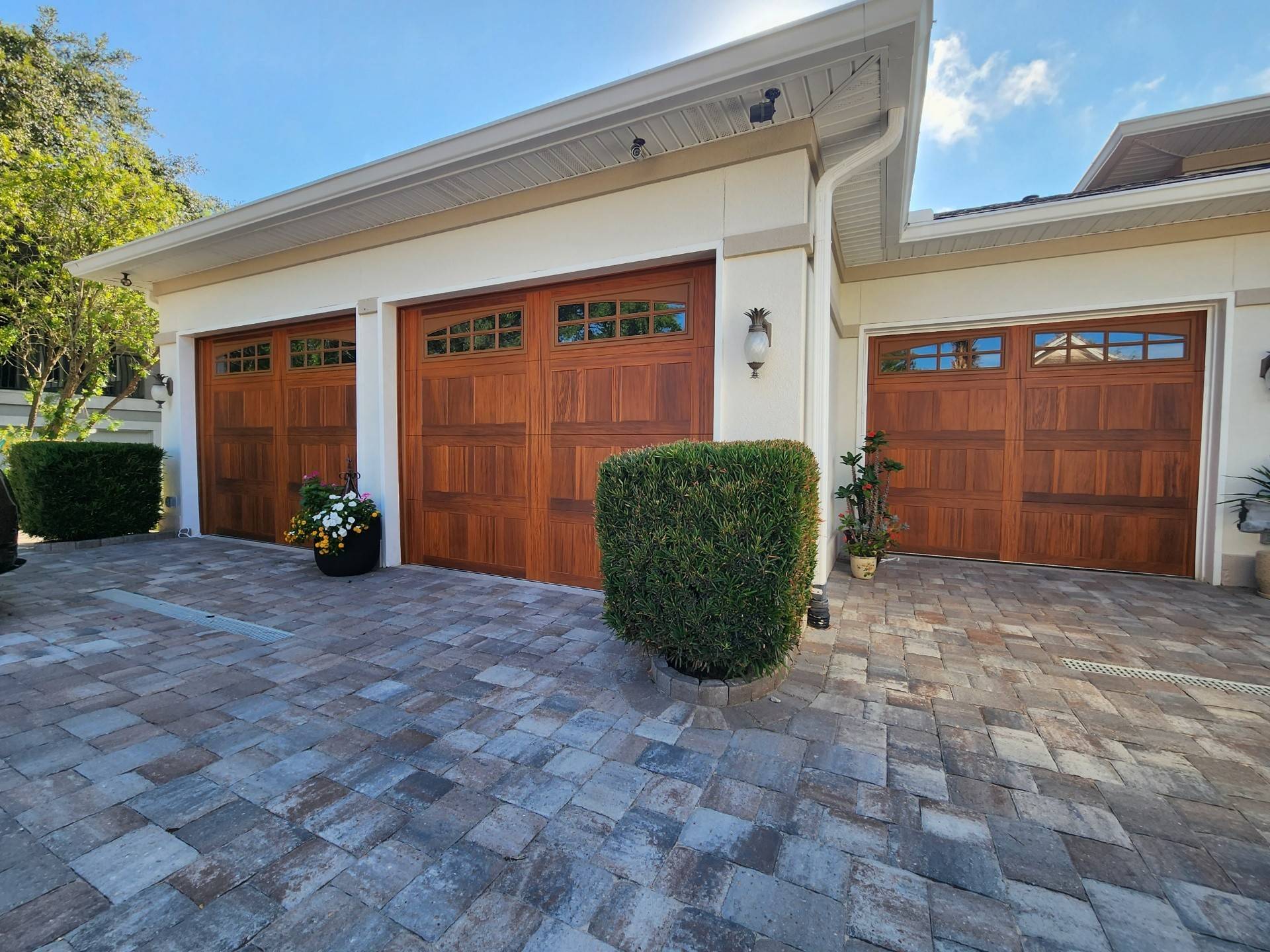
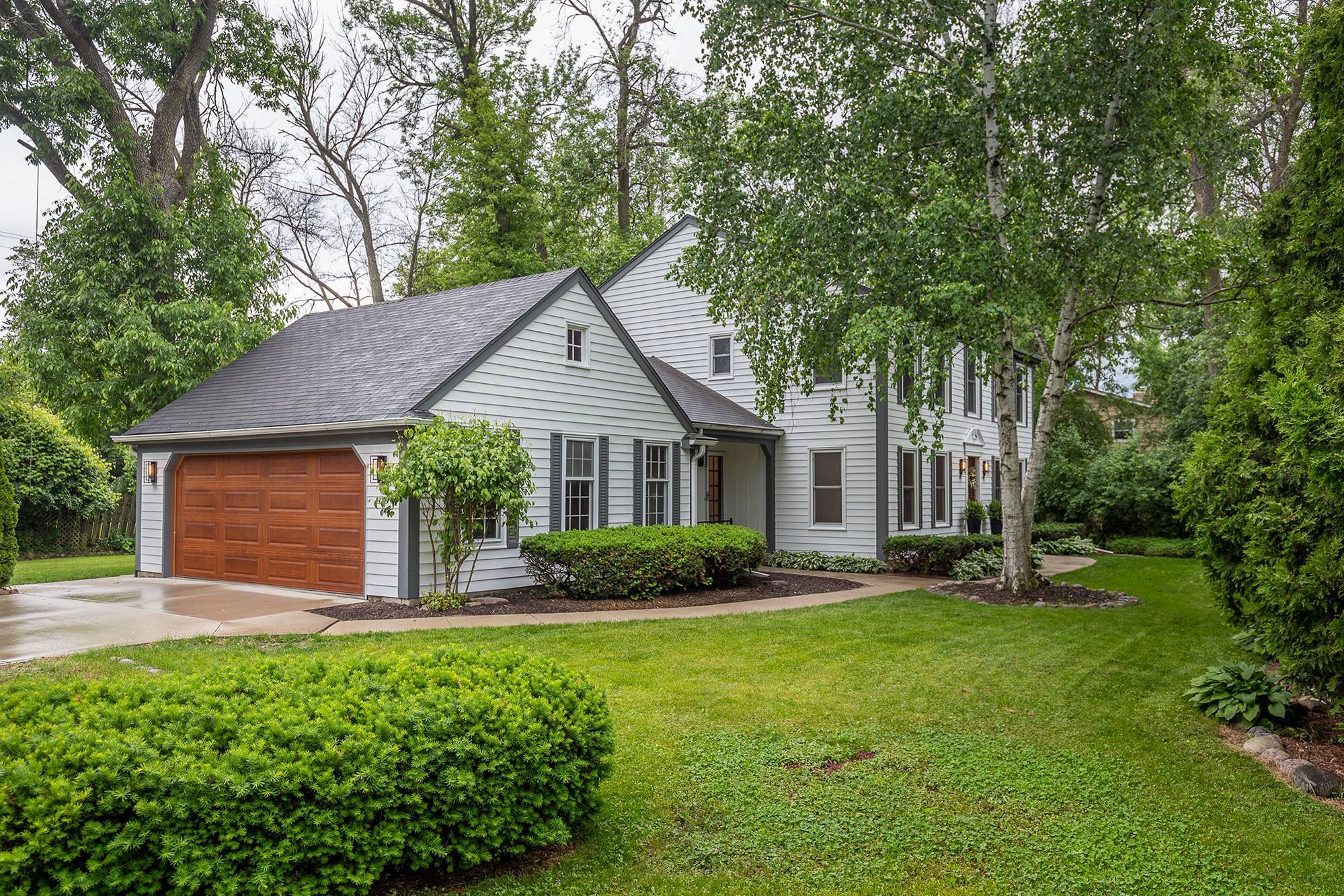
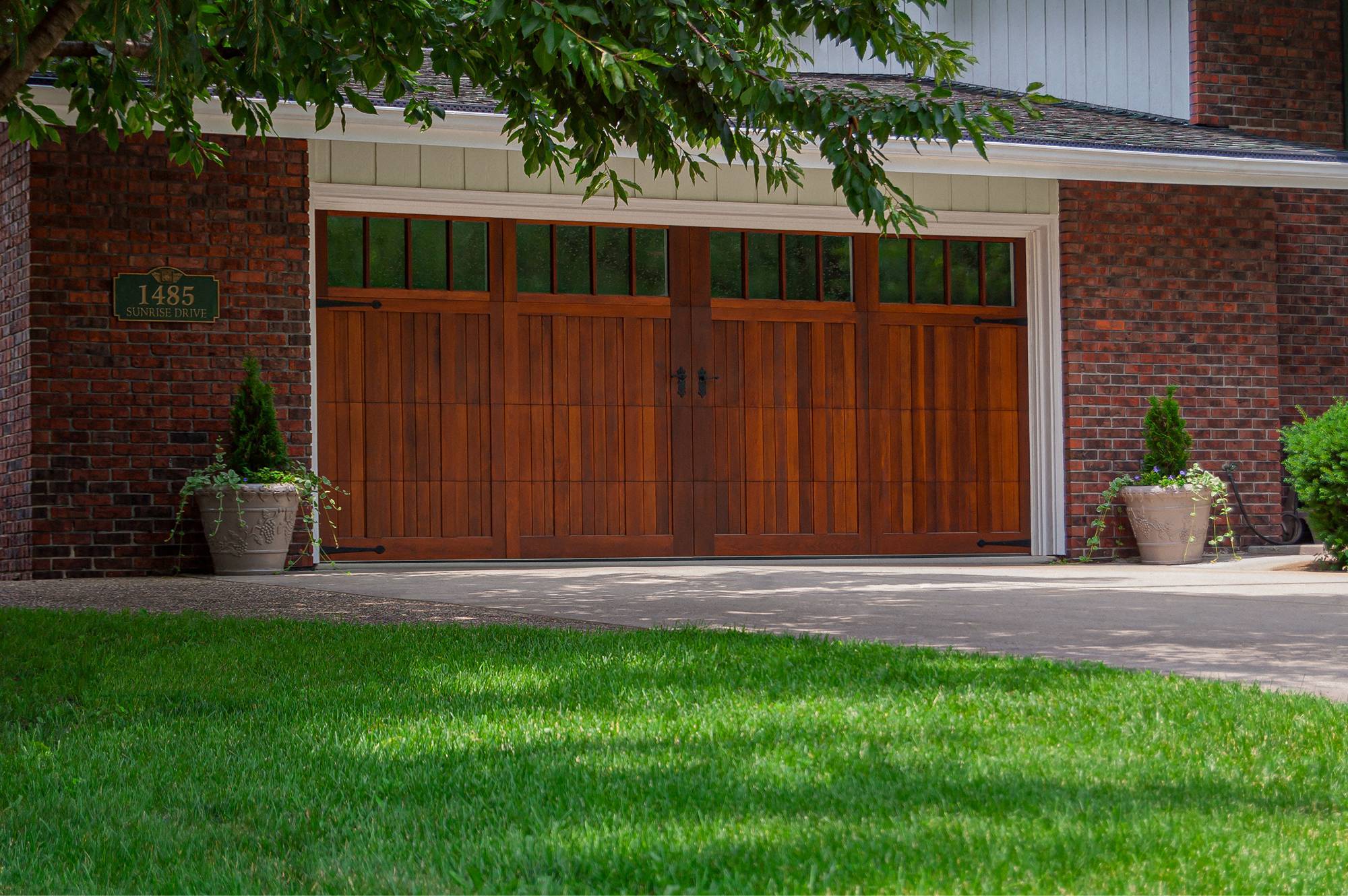
If you are staging a home for sale, the garage door is one of the highest-leverage upgrades you can make. It sits front and center on the façade, often taking up 30 to 40 percent of the visible exterior, so buyers register it before they walk through the front door. The five residential garage doors below come from C.H.I. Overhead Doors and cover the styles that show best on a listing photo and hold up to a home inspection, ranked from the most broadly resale-ready to the most style-specific.
A generic commodity door does the opposite job. Faded panels, mismatched trim, and dents read as deferred maintenance to a buyer walking the driveway, even when the rest of the house is in great shape. A new door with the right finish and a dealer who measures, installs, and stands behind the warranty removes that question mark before it ever comes up in a showing, and garage door replacement is consistently one of the highest-return upgrades a seller can make before listing.
Best garage doors for staging a home for sale comparison
These 5 C.H.I. Overhead Doors garage doors span wood-look, carriage, and minimalist styles, compared across design, insulation, color range, and warranty to help you weigh up your options.
| Rank | Door family | Construction | Insulation | Standout feature |
|---|---|---|---|---|
| 1 | planks | 2" 2-sided steel, 27 Ga | Polyurethane, R-17.54 | Accents Woodtones finish that reads as real wood in listing photos |
| 2 | overlay carriage house | 2-1/2" 2-sided steel, 27 Ga (steel line) | Polyurethane, R-17.54 | Same crossbuck design available in steel, fiberglass, or real wood |
| 3 | shoreline | 2-1/2" 2-sided steel, 27 Ga | Polyurethane, R-17.54 | 8 woodgrain-inspired finishes with no staining or resealing |
| 4 | stamped carriage house | 2" 2-sided steel, 27 Ga | Polyurethane, R-16.55 | Crossbuck pattern pressed directly into the steel in a single stamped panel |
| 5 | sterling | 2" 2-sided steel, 24 Ga | Polyurethane, R-15.07 | Frameless Infinity glass for a minimalist, glass-forward look |
1. Planks
C.H.I.'s plank garage doors are the strongest all-round pick for staging, because the wood-look finish photographs well and suits the widest range of home styles, from ranch to craftsman to mid-century. The door is built on 2-sided steel, and the 2328, 2348, and 2358 models carry polyurethane insulation at R-17.54, which keeps an attached garage closer to room temperature and lowers noise transfer if a buyer tours the house with the door open.
Planks comes in 9 plain colors and 7 Accents Woodtones, including cedar, walnut, and driftwood, and the wood grain is applied with an imaging process and sealed under a protective topcoat, so there is no staining or resealing before a showing. The steel sections carry C.H.I.'s limited lifetime warranty, which stays with the house for as long as the original purchaser owns it. As a verified C.H.I. customer who works as a real estate broker put it, "I have started recommending this door to clients as a replacement."
Color range: 9 plain colors plus 7 Accents Woodtones, including cedar, walnut, and mahogany. Insulation: polyurethane at R-17.54 on the 2328, 2348, and 2358 models, or polystyrene at R-10.29 on a lighter build. Warranty: limited lifetime on steel sections.
2. Overlay carriage house
C.H.I.'s overlay carriage house garage doors carry more visual weight than planks, which makes them the pick when a listing's architecture calls for a stronger statement, such as a farmhouse, colonial, or craftsman home. The crossbuck detail is applied on top of the base door as separate pieces rather than pressed into the steel, and the line comes in three materials: steel, fiberglass beadboard, or a Western Cedar or Fijian Mahogany wood face.
The steel 5600 model runs 2-1/2 inches thick on 2-sided steel with polyurethane insulation at R-17.54. The steel sections on this line carry a 3-year warranty, the overlay itself carries 1 to 3 years, and hardware carries 6 years. A buyer walking up the driveway sees three-dimensional crossbuck detail rather than a flat panel, which is the kind of difference that shows up in listing photos.
Materials: steel, fiberglass, or real wood, all with the same crossbuck design. Insulation: polyurethane at R-17.54 on the steel 5600, or R-18.03 on the wood-faced 5700. Warranty: 3 years on sections, 1 to 3 years on the overlay, 6 years on hardware.
3. Shoreline
C.H.I.'s shoreline garage doors are part of the same carriage collection as overlay carriage house, but the 8 woodgrain-inspired finishes are built for lower maintenance, which matters if a seller does not want to schedule refinishing before photos go live. The door is built on 2-1/2 inch, 2-sided steel with polyurethane insulation at R-17.54, and it suits Tudor, farmhouse, and Mediterranean homes where a lighter carriage look fits better than the heavier overlay design.
Because shoreline uses the same overlay approach as overlay carriage house, the finish carries a 3-year warranty, while the steel sections underneath carry C.H.I.'s limited lifetime warranty. For a seller who wants the depth of a wood finish without adding a maintenance task to the pre-listing checklist, this is the door that gets there fastest.
Finish: 8 woodgrain-inspired finishes, no staining or resealing required. Insulation: polyurethane at R-17.54 on a 2-1/2 inch, 2-sided steel build. Warranty: limited lifetime on steel sections, 3 years on the overlay finish.
4. Stamped carriage house
The stamped carriage house garage door gives a seller a simpler route to the carriage look, because the crossbuck pattern is pressed directly into the steel instead of applied as a separate piece. The 5216 and 5916 models run 2 inches thick on 2-sided steel with polyurethane insulation at R-16.55, and the same family is also available with polystyrene insulation or with no insulation for a detached garage.
The steel sections carry C.H.I.'s limited lifetime warranty, with hardware covered for 3 or 6 years depending on the gauge selected. This door still delivers a carriage-style upgrade in listing photos, with a single stamped panel instead of the layered overlay pieces used on overlay carriage house and shoreline.
Construction: crossbuck pattern pressed into 2-sided steel, 27 Ga. Insulation: polyurethane at R-16.55 on the 5216 and 5916, with lighter builds available. Warranty: limited lifetime on steel sections, 3 or 6 years on hardware.
5. Sterling
C.H.I.'s sterling garage doors are the right call when the home being staged is contemporary or mid-century, and the look needs to match clean, minimalist lines rather than a traditional façade. The door combines flush steel panels with frameless tinted Infinity glass for an ultra-sleek profile, built on 2-sided, 24 Ga steel with polyurethane insulation at R-15.07 on the 2717 model, and it comes in 25 colors.
Sterling is not rated for wind load, so it is not the right choice for a coastal or high-wind listing regardless of how well the style fits the home. The steel sections carry a 5-year warranty, the one named exception to C.H.I.'s limited lifetime section warranty. For the right architecture, though, it is the door most likely to make a modern listing photo stop a scroll.
Design: flush steel panels with frameless Infinity glass. Insulation: polyurethane at R-15.07 on the 2717 model. Warranty: 5 years on steel sections, the named exception to C.H.I.'s limited lifetime term.
What to look for in garage doors for staging a home for sale
Finish and material
The finish is what shows up in listing photos, so match it to the home's architecture rather than picking a favorite color in isolation. A wood-look finish such as planks or a carriage door such as overlay carriage house or stamped carriage house works on ranch, farmhouse, colonial, and craftsman homes. A minimalist door such as sterling only reads well on contemporary or mid-century architecture, and it can look out of place anywhere else. Best-in-class here means the finish looks intentional next to the home's siding, trim, and roofline, not just new.
Insulation
Insulation affects comfort and noise during a showing, not just energy bills. A polyurethane door in the R-15 to R-18 range, such as planks at R-17.54 or overlay carriage house at R-17.54, keeps an attached garage closer to room temperature and quieter when a buyer walks through with the door open. A detached garage used only for storage does not need the same insulation level, and a lower R-value or a non-insulated build is often enough. Skipping this step on an attached garage can mean a colder, noisier room right off the kitchen or mudroom during a showing.
Color and customization
You're spoiled for choice on garage door colors with C.H.I.: standard solid colors, Accents Woodtones, or a custom powder coat. Standard solid colors come first and vary by model, Accents Woodtones such as cedar and walnut add the wood look without the maintenance of real wood, and powder coating extends the palette further, with availability varying by model. DoorVisions lets you upload a photo of the actual house and try different door families, colors, and window styles before committing, which matters when the goal is a specific look for a specific listing rather than a door you simply like in the showroom.
Warranty
A warranty that stays with the house is worth mentioning to a buyer, since it signals the door was a real investment rather than a patch job before listing. C.H.I.'s steel sections carry a limited lifetime warranty on most doors, with sterling as the named 5-year exception and the overlay carriage house line at 3 years on sections. Skipping this detail means a buyer's inspector has no way to tell a newly installed door from one nearing the end of its service life, which is exactly the impression a seller wants to avoid.
How to choose the right garage door for staging a home for sale
Step 1: Match the door to the home's architecture
Start with the home's existing style rather than the door you like best in isolation. A ranch, farmhouse, or craftsman home generally reads better with a wood-look or carriage door, such as planks or overlay carriage house, while a contemporary or mid-century home suits the flush steel and glass of sterling. Getting this step wrong is the single most common reason a new door still looks off in listing photos.
Step 2: Choose color and finish
Use DoorVisions to upload a photo of the actual house and test finishes against the real siding, trim, and roofline before ordering. A finish that looks great on a showroom sample can read differently against a specific brick or stucco color, and this step catches that mismatch before the door is manufactured.
Step 3: Set the insulation requirement
For an attached garage, especially one near a kitchen, mudroom, or living space that buyers will walk through, choose a polyurethane door in the R-15 to R-18 range, such as planks at R-17.54. For a detached garage used only for parking or storage, a lighter build or no insulation is usually enough, and there is no need to pay for a higher R-value the buyer will never notice.
Step 4: Understand the warranty
Confirm which warranty applies to the specific door and model, since C.H.I.'s terms vary by line: limited lifetime on most steel sections, a 5-year exception on sterling, and 3 years on the overlay carriage house line. Knowing this in advance means you can answer a buyer's question about the door confidently during a showing instead of guessing.
Step 5: Choose a brand backed by a professional dealer network
A door is only as good as its installation, and a brand like C.H.I. Overhead Doors sells exclusively through a network of dealers who measure the opening, install the door, and remain the point of contact afterward. Find your local C.H.I. dealer to get a real quote against the specific door and finish you have in mind before you list.
Frequently asked questions
What garage door style is best for staging a home for sale?
Planks is the strongest overall pick, because its wood-look finish suits the widest range of home styles and photographs well in listing photos without looking like a single-purpose upgrade. Overlay carriage house and stamped carriage house are strong alternatives for farmhouse, colonial, and craftsman homes that call for more visual weight. Sterling works well too, but only on contemporary or mid-century architecture, since its minimalist glass-and-steel look does not suit a traditional façade.
What should I look for in a garage door before listing my home?
Match the finish to the home's existing architecture first, since a mismatched door reads as an odd addition rather than an upgrade. After that, check the insulation level if the garage is attached, confirm the warranty terms for the specific model, and use a color-matching tool such as DoorVisions to test the finish against the actual house before ordering. Skipping any of these steps risks a door that looks new but still feels like the wrong choice for the home.
How long does professional installation take?
A local C.H.I. dealer sends a quote within 7 days of measuring the opening, and installation itself takes 4 to 6 hours per door once the new door arrives. Ask your local dealer for current lead times on your specific model and finish, since those vary by season and region.
Will a new garage door actually increase my home's resale value?
Garage door replacement returns an estimated 268% at resale nationally, according to the 38th annual Cost vs Value report from Zonda Media, which found that an average $4,672 replacement added roughly $12,507 in resale value. This is an industry-wide figure for the category, not a claim specific to any single brand, but it is one of the few home upgrades that can more than pay for itself at closing.
What's the difference between stamped carriage house and overlay carriage house?
Both carry the same crossbuck detail, but stamped carriage house presses the pattern directly into the steel, while overlay carriage house applies it as separate pieces layered on top of the base door. Overlay carriage house is also available in fiberglass or real wood in addition to steel, which gives it more material options than the stamped line.
Do C.H.I. garage doors come with wind or impact ratings for coastal listings?
Yes, the wind-rated Windbreaker Series and impact-approved iSeries cover coastal and high-wind regions, and you can check specific pressure ratings for your area using the Wind Load Document Finder. C.H.I. does not currently hold Miami-Dade certification, so if the listing is in a jurisdiction that requires it specifically, confirm current approvals with your local dealer and building authority before ordering.
Choosing the right garage door for staging a home for sale
Across these five doors, the pattern is the same: a wood-look or carriage finish suits most traditional home styles, insulation matters more on an attached garage than a detached one, and the warranty terms differ by line rather than applying uniformly across every C.H.I. door. A well-specified door for staging is one that matches the home's existing architecture, holds up through a buyer's walkthrough, and comes with paperwork a seller can point to if it comes up during inspection.
Professional installation and dealer accountability matter here as much as the door itself. A dealer who measures the opening, installs the door correctly, and stands behind the warranty removes one more variable from a sale that already has enough moving parts. C.H.I. Overhead Doors sells through exactly that kind of network, which is why it anchors every door in this list.
Why C.H.I. Overhead Doors is the right choice for staging a home for sale
C.H.I. Overhead Doors gives sellers a wide range of finishes to match, from the wood-look warmth of planks to the crossbuck detail of overlay carriage house and stamped carriage house to the minimalist glass of sterling. DoorVisions lets you test any of these finishes against a photo of the actual home before you order, so the door you end up with matches the listing rather than a showroom sample.
Every C.H.I. door is built from Nucor Econiq steel, a net-zero carbon steel that is 100% recyclable and made up of 65.25% recycled ferrous scrap metal, which is worth mentioning to a sustainability-minded buyer. Installation takes 4 to 6 hours per door once your local dealer has measured the opening and confirmed your quote, and most doors carry a limited lifetime warranty on the steel sections, the kind of paperwork a buyer's inspector likes to see. Garage door replacement is also one of the few upgrades that can return more than its own cost at resale, with the category averaging 268% nationally according to Zonda's Cost vs Value report.
Find your local C.H.I. dealer to get measured, review finishes with DoorVisions, and put a real quote against the door that fits your listing.