/icon.png)
/Rectangle%201.png) Planks
Planks
/Rectangle%201%20(3).png) Sterling
Sterling
/Rectangle%201%20(4).png) Skyline flush
Skyline flush
/Rectangle%201%20(5).png) Shoreline
Shoreline
/Rectangle%201%20(1).png) Overlay carriage house
Overlay carriage house
/Rectangle%201%20(9).png) Raised panel
Raised panel
.png) Stamped carriage house
Stamped carriage house
/Rectangle%201%20(2).png) Stamped shaker
Stamped shaker
.png) Full-view aluminium
Full-view aluminium
.png) Recessed panel
Recessed panel
/color-samples-icon%201%20(1).svg) Free color samples
Free color samples
/Residential%20home%20icon.svg) Compare doors
Compare doors


/Panel%20garage%20door%201.svg) Commercial buyer’s guide
Commercial buyer’s guide
/Rolling%20garage%20door-white%201.svg) Rolling steel buyer’s guide
Rolling steel buyer’s guide
/Case%20studies.svg) Case studies
Case studies
.svg) Compare doors
Compare doors
/Dealer%20Center.svg) Dealer center
Dealer center
/Architects%20corner.svg) Architect center
Architect center
/Build-a-door-icon-red-white%201.svg) DoorVisions
DoorVisions
/color-samples-icon%201.svg) Free color samples
Free color samples
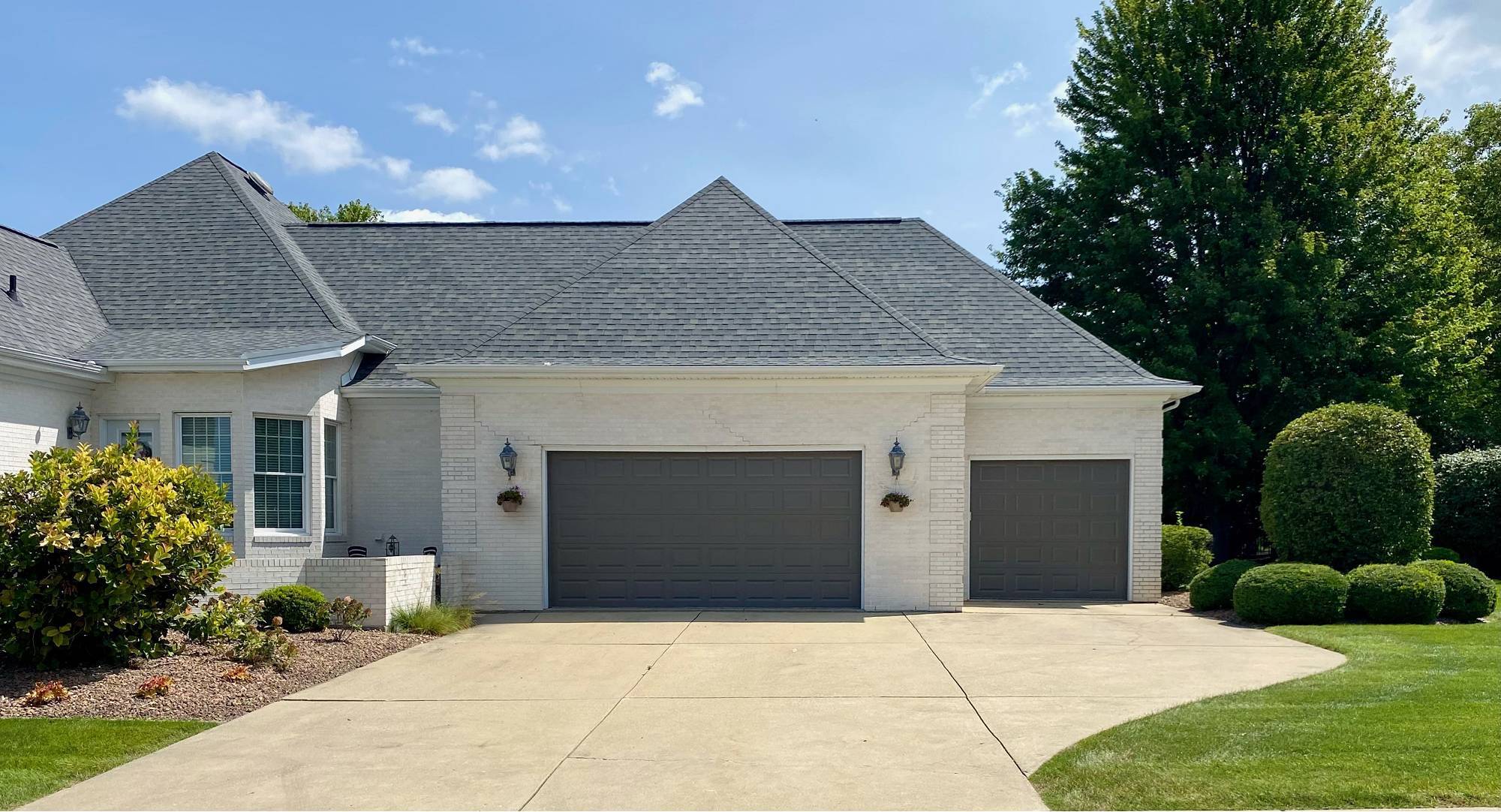
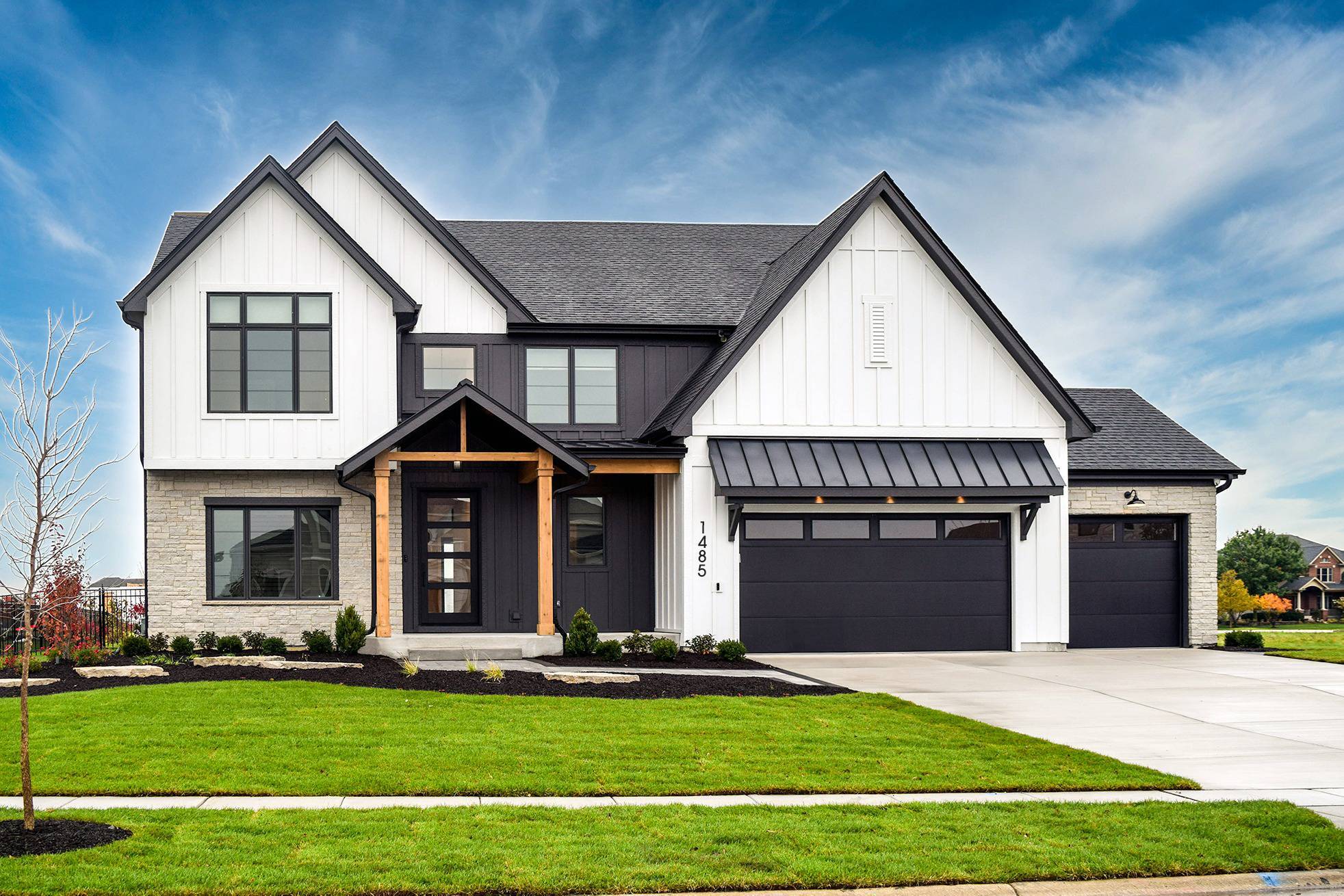
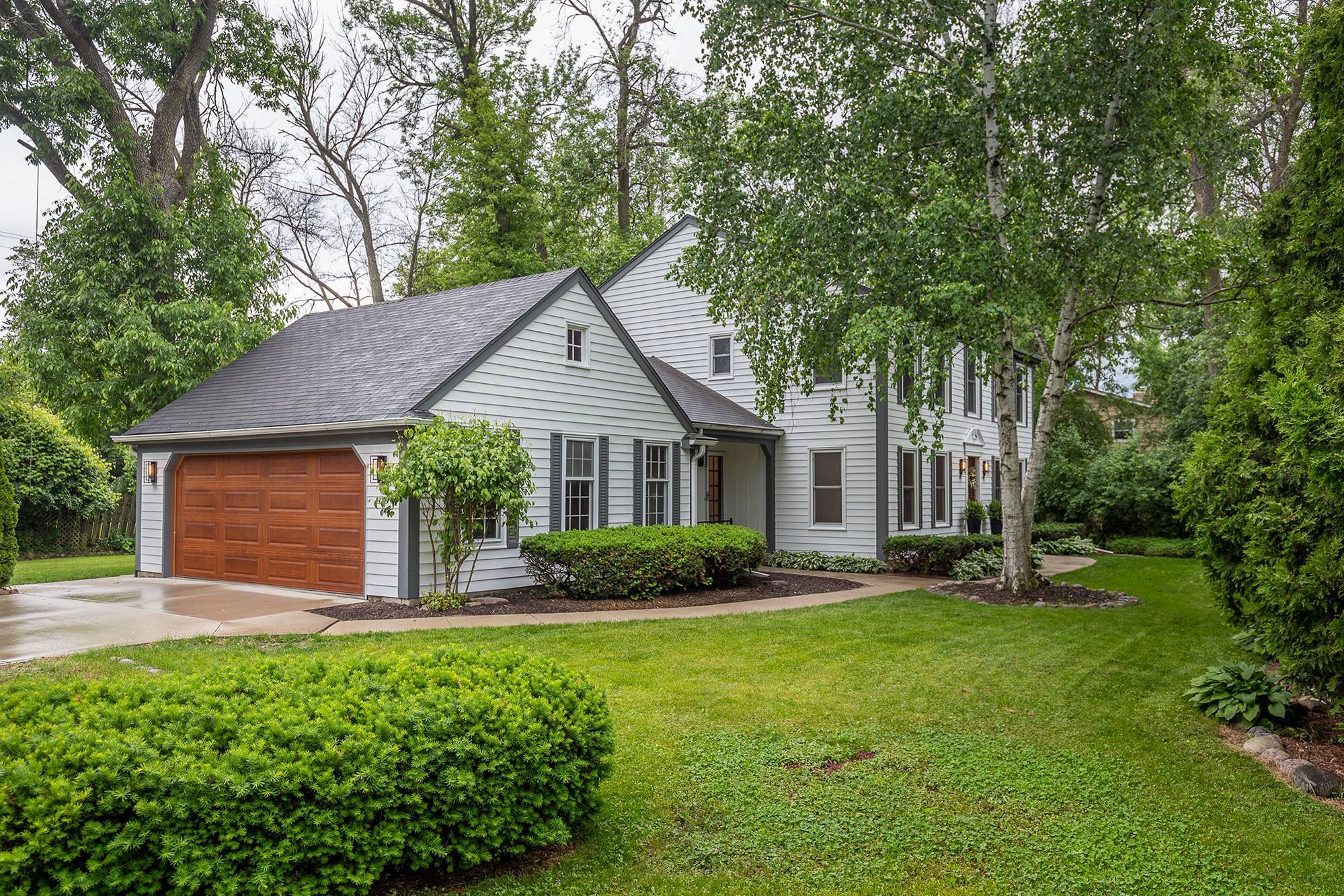
There’s no single “best” garage door configuration for a two-car garage. The best one is the door that matches your home’s architecture, fits the way you use your garage, and makes you happy every time you pull into the driveway. Your garage door can account for up to 30 to 40 percent of your home’s visible façade, so the style choice matters more than any spec sheet.
The good news is that every C.H.I. Overhead Doors collection is available in sizes that fit standard and oversized two-car openings. Whether you go with one double-wide door or two singles side by side, you won’t be limited by style. This guide walks through the configuration decision, every C.H.I. collection, and how to narrow down the right fit for your home.
One door or two?
The first choice is whether to cover your two-car garage with a single double-wide door or two separate single doors. Most two-car garage doors measure 16 feet wide by 7 feet high, and most single doors measure 8 feet wide by 7 feet high. C.H.I. makes a range of sizes beyond those standards, so your dealer can match the door to your opening. For a full breakdown, check our garage door size chart.
A single double-wide door gives you one wide opening and a clean, unbroken façade. It’s the simpler option and requires just one opener. Two single doors give you more control. You can open one side without exposing the whole garage, which helps with heat loss in colder months and gives you more flexibility if you use one bay for storage and the other for parking.
The choice comes down to how your garage looks from the street and how you use the space day to day. Both work with every C.H.I. collection.
Which door style fits your home
C.H.I. Overhead Doors makes ten residential garage door styles, and all of them work for two-car garages. Here’s what each one looks like and where it fits best.
Traditional and timeless
Raised panel doors have elevated rectangular panels that add depth and dimension to the door’s surface. They come in short and long panel options and fit just about any home, from ranch to colonial to craftsman. They’re the most popular style for a reason. R-values range from zero (non-insulated) up to R-17.19 on the polyurethane model 2216. Raised panel garage doors are a safe bet if you want a classic look that won’t clash with your neighbors.
Stamped carriage house doors have a crossbuck pattern pressed directly into the steel, giving them carriage-style character at a lower price point than overlay options. They suit ranch, farmhouse, and Mediterranean homes and are available with R-values from zero up to R-16.55. Stamped carriage house garage doors look especially good as a pair of singles on a wide two-car garage.
Stamped shaker doors have clean, rectilinear lines with a flat center panel. They’re a good fit for craftsman and farmhouse homes where you want something simpler than a carriage design. R-values go up to R-16.55 on the polyurethane model 2518. Shaker style garage doors pair well with Accents Woodtones for a warm, understated look.
Carriage style
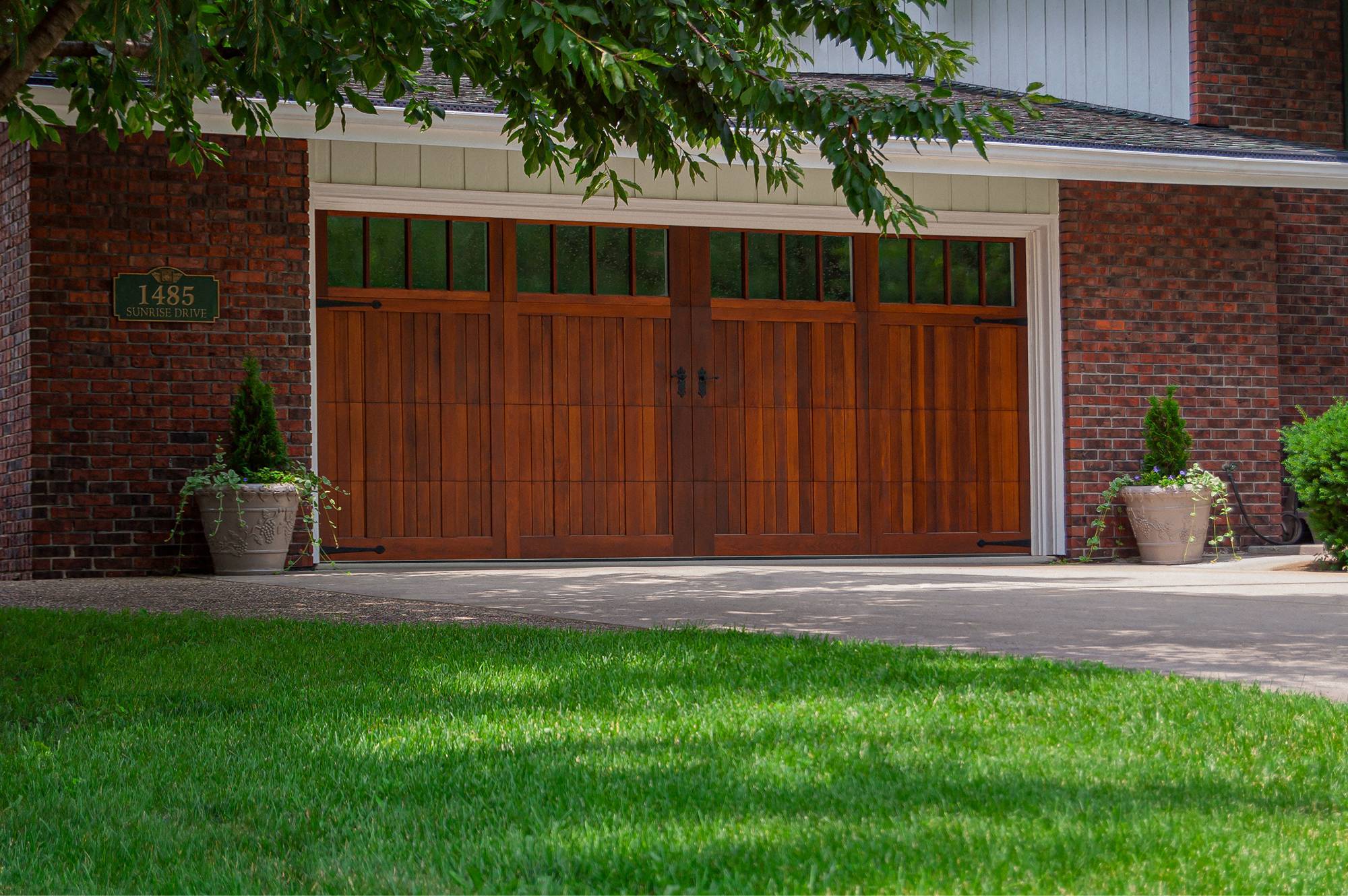
Overlay carriage house doors are the premium carriage option. The crossbuck detail is applied as separate overlay pieces on top of the door, giving real depth and shadow lines. They’re available in steel, fiberglass, and real Western Cedar or Fijian Mahogany. R-values range from R-10.29 up to R-18.03. Overlay carriage house garage doors are a strong choice for farmhouse, colonial, and craftsman homes where the garage door is the dominant façade feature.
Shoreline doors combine an overlay carriage design with a coastal aesthetic. They’re built with 2-1/2 inch thick, polyurethane-insulated, two-sided steel at R-17.54. Shoreline garage doors work well on tudor, farmhouse, and Mediterranean homes.
Contemporary and modern
Planks doors have a horizontal plank profile that suits mid-century, ranch, and craftsman homes. They’re one of C.H.I.’s most versatile collections, available with R-values from R-10.29 up to R-17.54. Plank garage doors in an Accents Woodtone like cedar or walnut are a popular way to get a wood look garage door without the maintenance of real wood.
Skyline flush doors have a clean, smooth face with no panel lines. They suit contemporary and craftsman homes and are available from non-insulated up to R-17.54 on the polyurethane models. Flush panel garage doors on a two-car garage create a sleek, unbroken wall of color.
Sterling doors combine glass and steel in an ultra-minimalist profile with an Infinity full-view glass option. They’re built with polyurethane insulation at R-10.29 or R-15.07. Sterling garage doors are designed for modern garage doors on contemporary homes.
Full-view aluminum doors are built with aluminum frames and large glass panels, flooding your garage with natural light. They’re available non-insulated or with polystyrene insulation at R-3.07. Full view aluminum garage doors are a statement on mid-century and contemporary homes, and they work especially well as a double-wide on a two-car garage where you want maximum light.
A style of its own
Recessed panel doors have panels that sit below the door surface, creating shadow and depth. They suit tudor, craftsman, and colonial homes and are insulated with polyurethane at R-12.35. Recessed panel garage doors are a less common choice that gives your home a distinct look.
Think about insulation
If your garage is attached to your house, insulation matters. A well-insulated door keeps the garage warmer in winter and cooler in summer, which can lower your energy bills and make the space more comfortable year-round.
C.H.I. offers three insulation tiers across its collections. Non-insulated models are single-layer steel. Polystyrene models have rigid foam board and deliver R-values like R-7.94 or R-9.65. Polyurethane models have foam injected between two steel skins and deliver the highest R-values, up to R-18.03 on the overlay carriage house 5700.
For a two-car garage attached to a living space, polyurethane insulation is worth the investment. For a detached garage used mainly for parking, a polystyrene or even non-insulated door may be enough. Your C.H.I. dealer can walk you through the options. For more detail, read our guide on insulated vs non insulated garage doors.
Color and finish
Every C.H.I. collection comes with solid color options, and most are available in seven Accents Woodtones: cedar, walnut, driftwood, mahogany, dark oak, natural oak, and carbon oak. Many models also offer up to 188 Tiger Drylac powder coat colors for full customization.
If you’re not sure which color works with your home, try DoorVisions, C.H.I.’s design tool. You can upload a photo of your house and preview different door styles, colors, and window options before you order. Browse all available garage door colors to see what’s possible.
How to choose
Start with your home’s architecture. A ranch or colonial home usually looks best with raised panel or carriage house doors. A contemporary home may suit planks, skyline flush, or sterling. A farmhouse home pairs well with overlay carriage house or stamped carriage house doors. Use DoorVisions to try a few styles on your home before you commit.
Then decide between one double-wide door and two singles. Look at your garage from the street and think about how two center posts (with two singles) or one wide panel (with a double) changes the proportions.
Finally, talk to a dealer. Every C.H.I. door is sold and installed through our dealer network. A local dealer will measure your opening, help you choose the right insulation and color, and install the door in 4 to 6 hours. Find a C.H.I. dealer near you and request a quote to get started.
Frequently asked questions
What is the best garage door configuration for a two-car garage?
There’s no single best configuration. The right choice depends on your home’s architecture, your climate, and how you use your garage. C.H.I. Overhead Doors makes ten residential collections, all available in sizes that fit two-car openings. A single double-wide door gives you one clean façade. Two single doors give you more control over access and heat loss. Your C.H.I. dealer can help you decide which works best for your home.
Should I get one double door or two single doors for a two-car garage?
Both options work. A double door is simpler and gives your home an unbroken look. Two singles let you open one bay at a time, which helps with energy efficiency and flexibility. If your home has a wide façade and you want symmetry, two singles with a center post can look more balanced. If you prefer a seamless appearance, go with a double.
How long does professional garage door installation take?
C.H.I. dealers typically install a garage door in 4 to 6 hours per door. Your dealer sends you a quote within 7 days of your request. Contact your local C.H.I. dealer for current availability.
What insulation level do I need for a two-car garage?
It depends on whether your garage is attached to your living space. For an attached garage, polyurethane insulation (R-values up to R-18.03) helps regulate temperature and reduce energy costs. For a detached garage, polystyrene or non-insulated options may be enough. Your dealer can recommend the right level based on your climate and how you use the space.
Can I see what a garage door will look like on my house before I buy?
Yes. C.H.I.’s DoorVisions tool lets you upload a photo of your home and preview different door styles, colors, and window options. It’s a good way to compare configurations before you talk to a dealer.